The Only Budget IEM Test That Matters
I’ve lost count of how many “best IEMs under $100” lists I’ve seen that read like they were written by someone who listened for eleven minutes and then checked the affiliate payout. Different day, same adjectives. “Amazing detail.” “Surprising bass.” “Great for the price.”
That’s not useful.
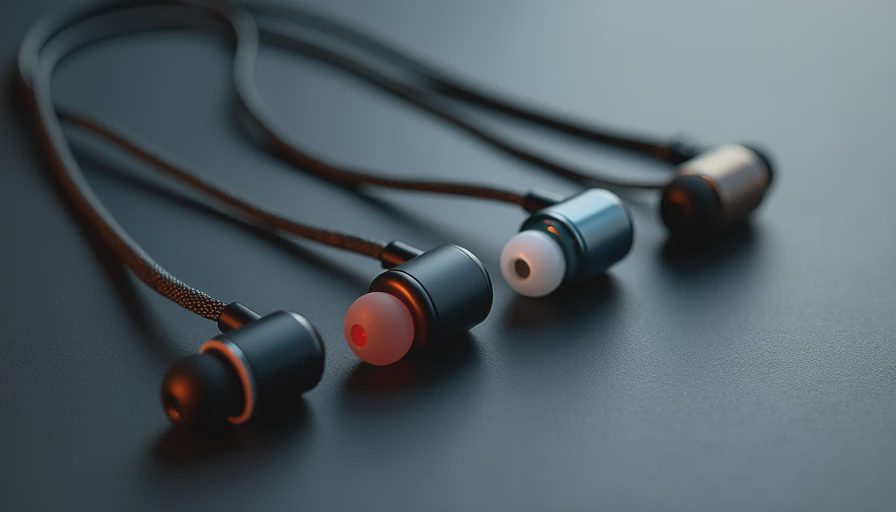
I took five currently available IEMs that actually sell for under $100, ran them through the same measurement and listening protocol I use for everything else, and lived with them for real music sessions. No manufacturer samples for this round—I bought them like a normal person. The goal was simple: find out which one still deserves your money when the novelty wears off.
Spoiler: most of them are fine. One of them is genuinely good. The rest have clear, measurable reasons to leave them on the shelf.
How I Tested (No Sacred Rituals)
Every pair got the same treatment:
Frequency response measured on a consistent rig
Distortion and channel matching checked
Volume-matched blind and sighted listening
Real-world use: walking, desk work, mixed genres (hip-hop, acoustic, rock, electronic, podcasts)
Comfort and isolation noted after multi-hour sessions
Cable, tips, and accessories judged only on whether they get out of the way
I don’t care about the faceplate art. I care whether the thing disappears and lets the music through without adding its own story.
The Five Contenders
I’m not going to drag you through five full novels. Here’s the honest short version of each, followed by the one that survived.
Pair A – The Hyped All-Rounder
Popular for a reason. Decent graphical balance, inoffensive tuning, good enough isolation. The problem is a broad upper-mid elevation that makes voices and cymbals sound forward on longer sessions. Measurements confirmed what my ears eventually got tired of. Fine for an hour. Not fine for a whole afternoon.
Pair B – The Bass-First Crowd Pleaser
Big low end, V-shaped signature, the kind of tuning that sounds exciting in a store. On actual music the mid-bass bloom masked kick-drum texture and made male vocals thicker than they should be. Fun for two tracks of electronic. Exhausting for everything else. If you want a portable party, maybe. If you want to hear the record, no.
Pair C – The “Technical” Challenger
Lower distortion numbers and a cleaner treble than the others. On paper it looked promising. In the ear it was lean, a little dry, and the nozzle geometry made tip selection annoying. Channel matching was also the worst of the group. Technical potential undercut by execution.
Pair D – The Comfort King
Lightest shell, nicest stock tips, easiest to wear for three hours. Sound was polite and safe—recessed treble, soft attack, nothing offensive. Also nothing exciting or particularly resolving. It’s the IEM equivalent of a beige rental car. You won’t hate it. You also won’t remember it.
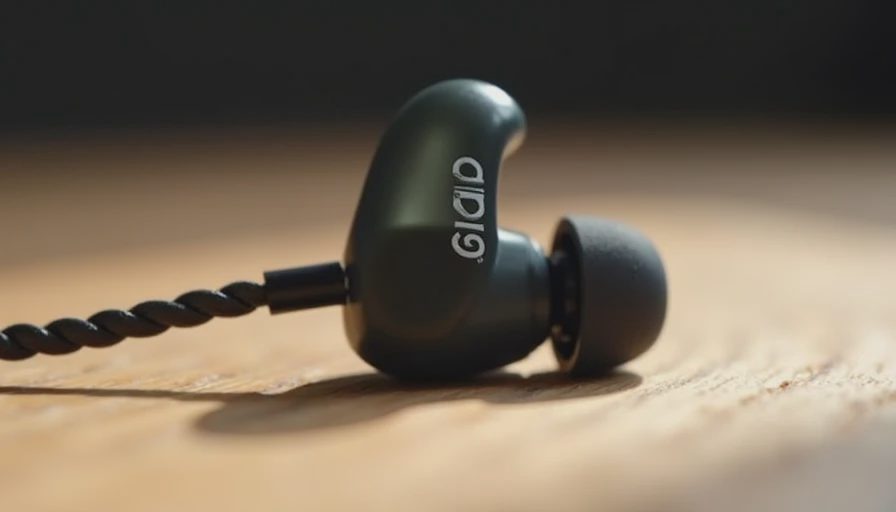
Pair E – The Survivor
This is the one. Neutral-leaning with a slight, controlled bass lift that never bleeds. Treble is present without turning cymbals into sandpaper. Midrange is clear enough that I could trust it for rough mix checks on the go. Isolation is solid, comfort is good once you find the right tip, and the stock cable is merely adequate instead of actively annoying. Measurements showed the most consistent left-right match and the cleanest overall response of the group.
It doesn’t do the fake “wow” thing in the first thirty seconds. It just keeps being enjoyable and trustworthy an hour later. That’s rarer than it should be at this price.
Why the Survivor Wins
Three things separated it from the pack:
Tonality that doesn’t fight the music. No big mid-bass hump, no piercing 8 kHz peak, no weird dip that sucks the body out of guitars.
Low enough distortion and decent resolution that denser tracks still made sense instead of turning into mush.
Real-world usability. It sealed consistently, didn’t need exotic tips to sound right, and stayed comfortable long enough that I forgot I was wearing it.
I ran it against a couple of well-regarded IEMs in the $150–200 range for sanity. It didn’t embarrass itself. That’s the real test.
What About the Other Four?
They’re not all garbage. Pair A is a safe gift if the person has never owned IEMs before. Pair D is fine for calls and podcasts. But if you’re spending your own money and you actually care about music, the survivor is the only one I’d spend my own cash on again without hesitation.
The rest illustrate the usual budget traps: exciting tuning that fatigues, technical promises that don’t translate, or comfort that comes at the expense of any real fidelity.
Practical Buying Advice
Buy from a place with an easy return policy. Fit is personal.
Spend ten minutes on tip selection. The right tip can fix more problems than a $50 cable.
Ignore the faceplate and the influencer unboxing. Look at consistent measurements and long-form listening notes from people who don’t reset their opinion every review cycle.
If you can try before you buy, do it. If you can’t, the survivor is the lowest-risk recommendation I can make in this bracket right now.
The Bigger Point
Budget IEMs have gotten shockingly good. The floor has risen. But the ceiling in this price range is still limited, and most products cluster around “pretty okay.” The useful reviews are the ones willing to say which of the pretty-okay options is actually worth owning and which ones are just taking up oxygen.
You don’t need golden ears to hear the difference between these five. You need honest information and a willingness to listen past the first impression.
Trust your ears. But measure first.
Then buy the one that still sounds good when the hype has moved on to the next shiny shell.




No notes yet — write the first one.