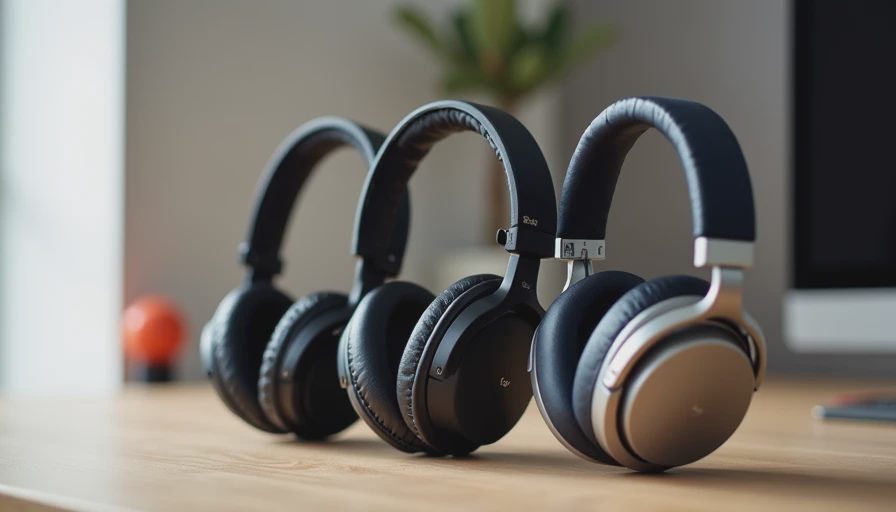
The Price Where Headphones Stop Being a Compromise
I’ve tested headphones from $20 to well over $2,000. The single biggest jump in real-world performance almost always happens between the truly cheap stuff and the roughly $200 mark. Below that you’re usually fighting bad drivers, poor sealing, or tuning that was decided by a marketing department. Above that you start paying for diminishing returns, exotic materials, and brand mythology.
Two hundred dollars is the sweet spot. Not because it’s a magic number, but because this is where competent engineering becomes common and the worst cost-cutting disappears.
If you only ever buy one pair of over-ear headphones, this is the range I tell most people to target.
What Actually Improves at $200
Several important things get meaningfully better in this bracket:
Driver quality and control. You start seeing better-behaved frequency response, lower distortion at normal listening levels, and less of the “one-note” bass that plagues cheaper headphones.
Build and comfort for long sessions. Clamping force becomes more reasonable, pads get thicker and last longer, and the headband stops feeling like it was designed by someone who hates skulls.
Tuning that isn’t embarrassing. The worst V-shaped excesses and the completely veiled midranges become less common. You can find genuinely balanced options.
Isolation and leakage. Closed-back models in this range often seal well enough for an office or airplane without turning your head into a sweatbox.
These are not small upgrades. They turn headphones from “fine for calls and podcasts” into something you can actually trust with music you care about.
What Stops Improving So Fast Above $200
Once you cross into the $300–600 range, the improvements become narrower:
Slightly smoother treble
Marginally better resolution on already-clean recordings
Fancier materials and folding mechanisms
More elaborate pad designs
All of those can be nice. None of them are transformative for most listeners in the way the jump from $50 to $200 is. I’ve had $800 headphones that measured worse and fatigued me faster than well-chosen $200 models. Price is not a proxy for competence.
What I Look For in This Tier
When I’m evaluating over-ears around $200, I care about a short list:
Tonal balance that doesn’t need EQ to be listenable. A little bass lift is fine. A giant mid-bass hump or a piercing lower treble is not.
Comfort over a full album cycle. If I want to take them off after 25 minutes, they’re out.
Distortion that stays low when you turn it up a bit. Quiet listening is easy. Clean listening at realistic volumes separates the good from the merely pretty.
Consistency between left and right. Channel imbalance is more common than manufacturers admit.
A seal that works with normal human heads. Fancy driver tech means nothing if the pads leak on everyone who doesn’t have a perfectly average skull.
I also pay attention to whether the headphones still sound good after the initial “new toy” excitement fades. That usually takes a week of regular use.
Closed-Back vs Open-Back in the Sweet Spot
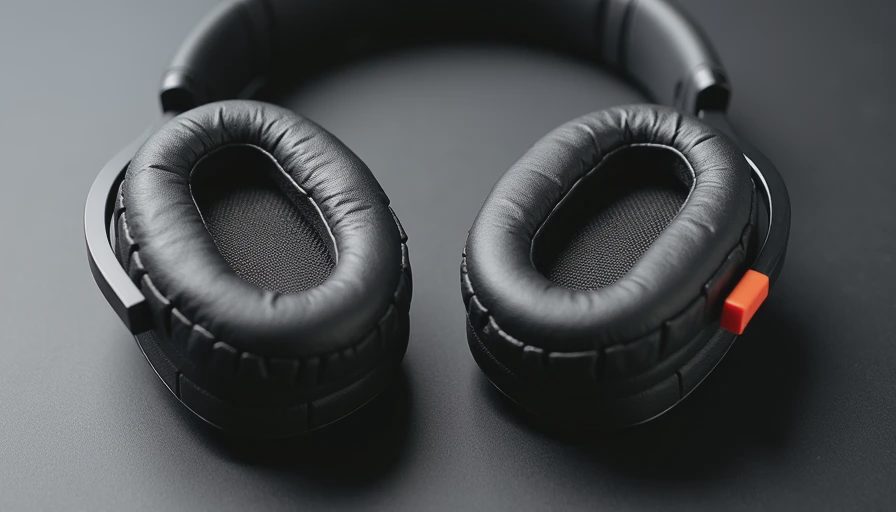
Both exist in this price range and they serve different needs.
Closed-back models are the practical default for most people. They isolate better, leak less, and work in shared spaces. The best ones in this tier manage to avoid the classic closed-back problems of cup resonance and overly thick bass.
Open-back models at this price can sound more spacious and natural, but they are only useful if you listen in a quiet room and don’t mind everyone nearby hearing your music. They are not better—just different. Choose based on your actual environment, not on forum poetry about soundstage.
A Realistic Expectation Check
A good $200 over-ear will:
Make well-recorded music enjoyable and revealing
Stay comfortable for long sessions
Reveal obvious differences between clean and compressed tracks
Work with a phone, a dongle, or a modest interface without demanding exotic amplification
It will not:
Compete with a properly set-up pair of speakers in scale and effortlessness
Fix a bad recording
Turn every track into an emotional experience through sheer resolution
That’s the right set of expectations. Anything promising more is usually selling something.
How to Shop Without Getting Played
Ignore the first-week hype reviews. Look for people who have lived with the headphones.
Check consistent measurements from sources that use the same methodology across products.
Prioritize comfort and tonality over “detail retrieval” claims.
Buy from retailers with good return policies. Fit is personal and pads matter more than most specs.
If you can, listen to the same two or three tracks you know cold on every pair you’re considering.
The market at this price is competitive enough that you shouldn’t have to settle for something that annoys you.
The Bottom Line
Spend less than $100 and you’re usually making real compromises. Spend a lot more than $200 and you’re often paying for smaller and smaller improvements—or for the logo.
The $200 over-ear tier is where competence becomes the norm and the law of diminishing returns starts to bite. It’s the smartest place for most people to plant their flag.
Find a pair that fits your head, plays tonally honest, and still feels good after an hour. Then stop shopping and listen to music.
Trust your ears. But measure first.
That’s where the value actually lives.




No notes yet — write the first one.