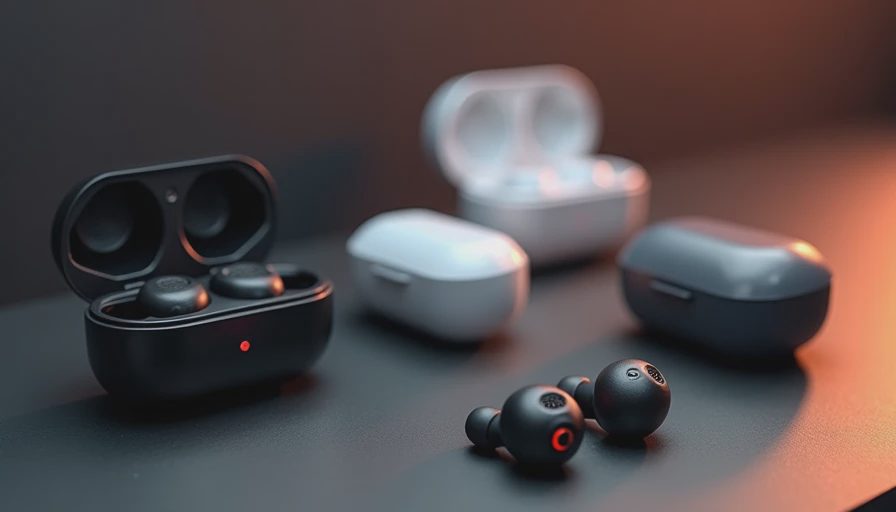
Wireless Earbuds Are Not All the Same—Even If the Marketing Says Otherwise
Walk into any electronics aisle or scroll any shopping app and you’ll see the same promises repeated: “studio-quality sound,” “immersive bass,” “hi-res audio.” Most of it is noise.
I’ve spent enough years making records to know what actual studio-quality sound looks like on a graph and sounds like in a room. Very few true wireless earbuds come close. The ones that do are worth talking about. The rest are lifestyle accessories that happen to play music.
This article is for people who care more about how the music sounds than how many different ear-tip colors come in the box.
What Actually Limits Sound Quality in Wireless Earbuds
Before the recommendations, the constraints:
Tiny drivers and tiny batteries. Physics is undefeated. You’re not getting the same low-distortion output or dynamic ease you get from a good pair of over-ears.
Bluetooth compression. Even with AAC, aptX, or LDAC, you’re still throwing away information compared to a wired connection. Some implementations handle the loss better than others.
Aggressive tuning for first impressions. Many brands boost bass and treble so the earbuds sound impressive in the first ten seconds of a demo. That same tuning becomes tiring an hour later.
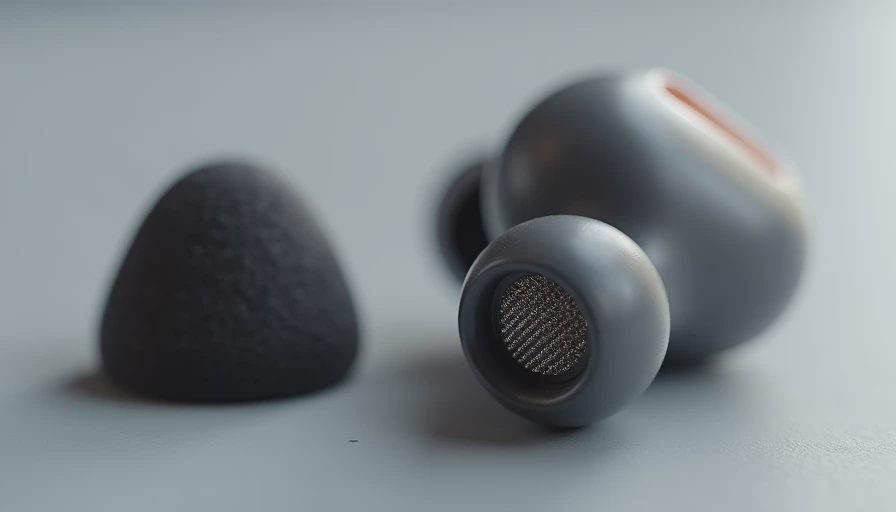
Fit and seal. The best drivers in the world can’t save a poor seal. Bass response and isolation live or die by how well the tip stays in your ear canal.
Once you accept those limits, the question becomes simpler: which products fight the limitations intelligently, and which ones just paper over them with EQ presets and RGB lighting?
The Listening Priorities I Use
When I test wireless earbuds for this site, I weight the following in order:
Tonal balance with the stock EQ (or neutral setting). If it needs a custom EQ curve just to sound acceptable, that’s a mark against it.
Midrange clarity. Voices and lead instruments should sound like themselves, not like they’re coming through a pillow or a megaphone.
Bass control. Extension is nice. One-note boom that masks everything else is not.
Treble behavior. Enough air to avoid sounding dull, but no sharp peaks that turn cymbals into pain.
Consistency over time. Does it still sound good after 90 minutes, or do I want to take them out?
Seal reliability and comfort. If it won’t stay sealed during a walk, the frequency response you measured on a rig doesn’t matter.
Features like transparency mode, multipoint, and app support are secondary. Nice to have. Not the point.
What Separates the Better Ones From the Rest
The earbuds that survive longer listening sessions usually share a few traits:
A more restrained bass shelf instead of a mid-bass mountain
A midrange that isn’t scooped or aggressively pushed
Treble that is present without being etched
Better-than-average driver control so complex tracks don’t collapse
Tips and nozzle design that make a consistent seal achievable for more than just one ear shape
They also tend to sound less “impressive” in the first thirty seconds than the party-oriented models. That is a feature, not a bug.
Practical Advice for Buying Right Now
Try before you buy if possible. Fit is everything. A model that measures well but won’t seal in your ears is useless.
Start with the neutral or “default” tuning. If the only way it sounds good is after heavy EQ, keep looking.
Ignore “hi-res” logos as a primary decision factor. The Bluetooth pipe and the driver implementation matter more than the marketing badge.
Pay attention to long-term comfort notes, not just first-wear impressions. Swelling and hot spots appear later.
Consider your actual use. Commuting and calls reward stronger isolation and mic performance. Pure music listening at a desk rewards better tonal balance.
The Honest Reality Check
Even the best true wireless earbuds in 2026 are still a compromise compared to a good wired IEM or a well-chosen pair of over-ears. You’re trading convenience for fidelity. That’s a valid trade for a lot of people, including me on travel days and walks.
The mistake is believing the marketing that says there is no trade-off.
If you primarily care about sound, buy the wireless earbuds that minimize the damage and stay out of the music’s way. Use them when convenience matters. Keep a wired pair or proper headphones for when it doesn’t.
Final Take
Most wireless earbuds are designed to win the first five minutes in a store or an unboxing video. A much smaller group is designed to still sound decent at the end of an album.
Hunt for the second group. Listen longer than the hype cycle lasts. Measure when you can. Trust your ears when the data and the listening agree.
Trust your ears. But measure first.
And stop letting feature lists convince you that all “premium” buds sound the same. They don’t.




No notes yet — write the first one.