If you have searched for dac digital analog, you are probably trying to understand a piece of audio gear with an unnecessarily confusing name. The practical answer is simple: a digital-to-analog converter, usually called a DAC, turns the ones and zeroes in a music file into the analog electrical signal your amplifier, powered speakers, or headphones need. Every phone, laptop, streamer, and CD player already has one. The real question is whether an external model will improve your system.
After twelve years mixing records in Nashville studios, I have learned to separate audible improvements from expensive storytelling. A DAC can matter, especially when the built-in circuit is noisy, underpowered, or poorly implemented. It is not a magic box that transforms a well-recorded album into a different master. Trust your ears. But measure first.
What a DAC actually does
Music stored as a WAV, FLAC, Apple Music stream, or compact disc is digital data. It contains numerical samples that describe the changing shape of a sound wave. Your speakers cannot use those numbers directly. A DAC reads the samples and produces a continuously changing voltage. An amplifier then increases that voltage enough to drive a speaker or headphone driver.
That conversion happens in stages. The digital interface receives data over USB, optical, coaxial, Bluetooth, or another connection. A conversion chip changes the data into an analog waveform, while filtering removes unwanted high-frequency artifacts created during the process. Finally, an analog output stage sends the signal onward through RCA, balanced XLR, or a headphone amplifier.
This is why dac digital analog searches often lead to product listings that combine several devices in one chassis. A desktop unit might include a DAC, headphone amp, preamp, and USB interface. A network streamer may add Wi-Fi and app control. None of those features automatically guarantees better sound, but they can make a system more useful.
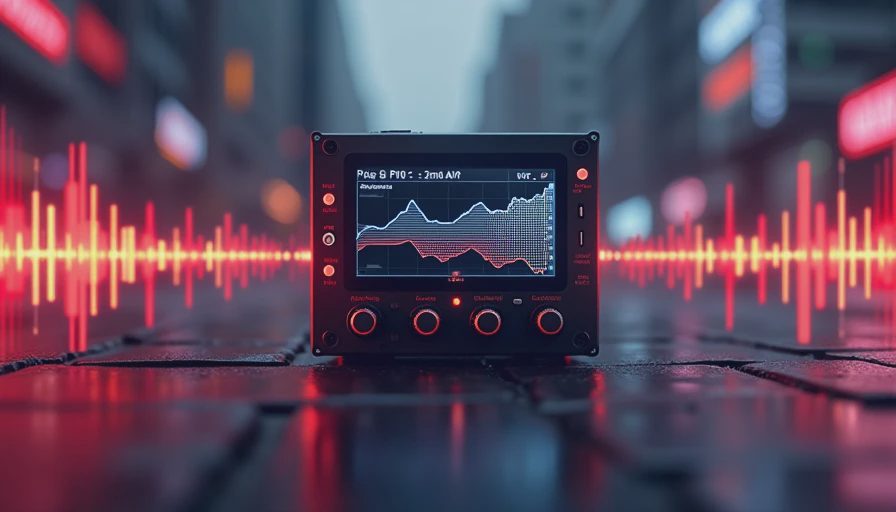
When an external DAC makes sense
The strongest reason to buy an external DAC is a specific problem. Perhaps your laptop has a faint hiss when sensitive headphones are connected. Maybe a desktop computer produces electrical buzz through powered monitors. Your television might offer only a harsh headphone output, or an older receiver may lack a convenient digital input. In those cases, a separate converter can solve a real limitation.
A DAC is also useful when you need connections your current equipment does not provide. A model such as the Topping DX3 Pro+ combines USB, optical, coaxial, Bluetooth, a volume control, and a headphone output in a compact enclosure. The Schiit Modi is more basic, but it can be a sensible USB or optical upgrade for a simple desktop setup. Products from iFi, FiiO, SMSL, and JDS Labs cover similar territory at different prices and feature levels.
Do not assume an external unit is automatically superior to an iPhone dongle or a modern laptop. Apple USB-C and Lightning adapters have measured well for their modest price, and many current computers are quiet enough for everyday listening. If your existing output is clean and powerful, spending $300 on another dac digital analog box may produce no obvious change.
Specs that matter more than marketing
Start with output noise and distortion. Noise is unwanted hiss; distortion is added content that was not in the original recording. Good current DACs typically measure far below the threshold most listeners can hear in normal use. Once performance is already excellent, a larger number on a product page does not necessarily create a larger audible improvement.
Output power matters more when headphones are involved. A high-impedance model such as the Sennheiser HD 600 needs more voltage than an efficient pair of closed-back headphones. Planar magnetic headphones can also benefit from a stronger amplifier. Match the amplifier to the headphones rather than buying the most powerful device available; excess power does not make a headphone automatically more detailed.
Sample rate and bit depth deserve less attention than compatibility. CD-quality audio is 16-bit, 44.1 kHz. High-resolution files can use 24-bit and higher sample rates, but the improvement is not guaranteed to be audible. A dac digital analog unit that handles your sources reliably, avoids clicks, and has a sensible volume control is more useful than one advertising extreme numbers you will never use.
DAC, amplifier, or both?
People often use “DAC” to describe a complete digital front end, but the DAC chip and the amplifier perform different jobs. The converter creates the analog signal. The amplifier supplies the current or voltage needed by headphones or speakers. A weak headphone amplifier can make music sound quiet, compressed, or uneven even when its DAC section is excellent.
For powered speakers, you may need only a line-level DAC with RCA or XLR outputs. The speakers contain their own amplifiers. For passive speakers, you need an integrated amplifier or separate preamp and power amp after the converter. For headphones, a combination unit is usually the simplest choice and avoids unnecessary cables.
A useful setup might look like this: laptop to USB DAC, DAC to headphone amplifier, amplifier to headphones. A living-room system could run streamer to optical or coaxial input, then RCA output to an integrated amplifier and passive speakers. A television may connect by optical cable to a DAC with a remote-controlled volume knob. Keep the signal path short and the controls practical.

What different budgets buy
Under $50, a USB dongle can provide surprisingly clean sound for headphones. The main limitations are usually power, connector durability, and volume control rather than conversion quality. Around $100 to $200, desktop models commonly add better output power, multiple inputs, and physical controls. That is the sweet spot for many listeners.
At $300 to $600, you may gain balanced outputs, stronger headphone amplification, a remote, Bluetooth codecs, or a more convenient display. Those are legitimate reasons to spend more. They are not proof that every recording will suddenly have a wider soundstage or deeper bass. Above that range, consider whether the money would do more in speaker placement, room treatment, a subwoofer, or headphones that suit your taste.
The most revealing test is level-matched comparison. Play the same track through your old output and the new device. Match their loudness as closely as possible, because the slightly louder option often seems more detailed. Listen for hiss with no music, vocal clarity, bass control, and whether the unit introduces clicks or dropouts. If you cannot reliably tell them apart, keep the model with better features and return the expensive one.
A sensible buying checklist
Before ordering a dac digital analog component, list every source and destination. Count USB, optical, coaxial, RCA, XLR, and Bluetooth requirements. Check whether your headphones need more power than a basic dongle provides. Confirm that your computer recognizes the unit without troublesome drivers, especially if you use Windows for recording or gaming.
Next, inspect the controls. A physical volume knob is useful at a desk, while a remote matters across a room. A fixed line output can protect against accidental volume changes, but a variable output lets one box act as a preamp. Balanced connections can help with long cable runs and studio equipment, though they are not automatically more accurate over a short home connection.
Finally, buy from a retailer with a clear return policy. Read independent measurements when available, then listen without knowing which unit is playing if possible. Ignore claims about burn-in, directionality, or special cables unless someone can demonstrate a repeatable electrical reason. Good audio is not reserved for people with unlimited budgets. A $30 dongle, correctly matched to efficient headphones, can be a better purchase than a $1,000 box connected to the wrong system.
For most listeners, the right dac digital analog choice is the quietest, most compatible unit that provides enough power and the connections they actually need. Fix a real problem first; chase tiny theoretical gains last. I review products using measurements, level-matched listening, and ordinary music rather than mystery adjectives. Some links on this blog are affiliate links, so I may earn a commission if you buy through them, at no extra cost to you. The recommendation stays the same: trust your ears, but measure first.

No notes yet — write the first one.