The best headphones for working out are not the loudest pair on the shelf or the one with the most marketing swagger. They are the ones that stay planted when you start sweating, keep their bass from thinning out, and do not make you fight the cable, the case, or your own ears halfway through a set. I spent 12 years mixing records, and my test for gym gear is simple: if I have to reseat it during a run, lift, or row, it is not worth keeping.
What matters most is fit first, then sweat resistance, then sound. A great driver with a bad seal will sound thin. A rugged shell with weak tips will still fall out. And yes, ANC is useful in a noisy gym, but a pair that cancels noise and hurts after 20 minutes is a bad trade. For this category, I care less about audiophile bragging rights and more about whether the thing survives burpees, jump rope, and a tossed gym bag.
What the best headphones for working out need to get right
When I judge the best headphones for working out, I start with the boring stuff that actually decides whether you keep wearing them. Sweat resistance matters because moisture is what kills charging contacts, buttons, and ear tips over time. Look for at least an IPX4 rating if you want basic splash protection, and higher if you run outdoors in ugly weather or sweat heavily. An IP68 rating is even better for rugged earbuds, because it tells you the product has been designed with real exposure in mind.
Sound still matters, but not in the way forum people sometimes talk about it. In a gym, a little extra low end can help keep kick drums and bass lines present at lower volume, while a harsh treble spike will get fatiguing fast. You want enough clamp or tip grip to keep the tuning stable. If the seal leaks, the bass disappears and you keep turning the volume up, which is how people end up with hearing fatigue before the workout is over.
Earbuds, hooks, or open-ear designs
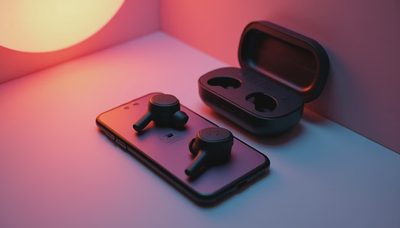
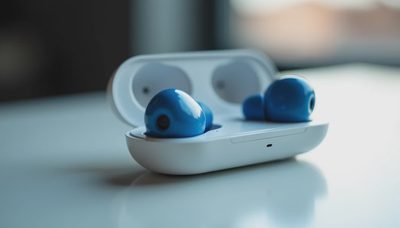
For most people, true wireless earbuds are the easy answer because they pack small and work with any phone. A model like the Jabra Elite 8 Active is a good example of the rugged, secure side of the market: solid fit, serious sweat protection, and a shape that is less likely to budge when you are moving fast. Beats Fit Pro is another smart choice if you already live in Apple’s ecosystem and want a wingtip that locks in better than a lot of standard buds.
If you hate the plugged-up feeling, open-ear options like Shokz OpenRun solve a different problem. They do not isolate much, but they let you hear traffic, a coach, or a treadmill next to you without yanking one side out. That makes them a real answer for runners and cyclists, even if they are not the richest-sounding option on paper. For my money, the right form factor is often more important than chasing the fanciest codec list.

The models I keep coming back to
If someone asked me for a short list, I would start with the Jabra Elite 8 Active, Beats Fit Pro, Shokz OpenRun, and Anker Soundcore Sport X10. The Jabra is the most all-around durable pick here, with a secure fit and strong protection against sweat and dust. Beats Fit Pro is the easy recommendation for iPhone users who want simple pairing, good physical stability, and sound that is lively without turning shrill. Shokz wins when safety and awareness matter more than isolation. The Soundcore is the budget play that gets a surprising amount right for the money.
Sony WF-1000XM5 deserves a mention too, but I would not call it a default gym pick unless you know it fits your ears well. It sounds excellent, and the ANC is among the best in class, yet the smaller body can be less secure during hard movement than a model with a wing or hook. Bose QuietComfort Ultra Earbuds are also strong on noise reduction, though their case size and fit preferences make them better for a lot of commuters than for everyone doing heavy cardio.
Fit and seal tests you can do in 30 seconds
Before you blame the tuning, test the fit. Put the earbuds in, play a familiar track, then gently press each one inward. If the bass suddenly gets fuller, your seal is not right yet. Try different tip sizes before you give up; a tiny tip change can make a $100 pair sound like a $200 pair. I have seen more returns caused by wrong ear tips than by bad tuning.
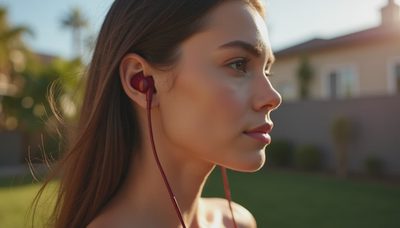
If a pair uses ear hooks, check whether the hook sits naturally around your ear without pressure on the cartilage. If it pulls after 15 minutes, it will become a problem by minute 45. With open-ear designs, the goal is different: you want stable placement and enough output to hear music over ambient noise without cranking the volume until it gets ugly. That is the sort of practical tradeoff people actually feel in the gym.

How to spend $80, $150, or $250 without wasting money
Around $80, the sweet spot is value and stability, not luxury. The Soundcore route makes sense if you want a workout pair you can sweat on without flinching. Around $150, you start getting better materials, better app support, and usually more secure fit options, which is where Beats Fit Pro or a discounted Jabra model starts making sense. Around $250, you are paying for better ANC, better overall sound, and more refined hardware, but that money only matters if the fit works for your ears.
A lot of people overspend on sound quality they cannot hear during a workout and underspend on the one thing that ruins everything: comfort. If you are choosing between slightly better frequency response and a pair that stays locked in through a hard set, take the secure fit every time. In this category, the best upgrade is usually a better seal, not a fancier logo.
Buy smart, not loud
If you want the best headphones for working out, buy for motion first and music second. Decide whether you need isolation, awareness, or both. Runners and cyclists often do best with open-ear designs or a very stable earbud. Lifters in a noisy gym usually want strong passive isolation or ANC. If you listen to podcasts and pop on the elliptical, almost anything comfortable will work; if you do intervals, you need something that will not shift when your heart rate climbs.
My final rule is the same one I use on studio monitors and consumer gear alike: trust your ears, but measure first. Check the IP rating, check the fit, and do not pay extra for features you will never use. Some links on this page may earn a commission, and when I receive a review unit I say so. I buy a lot of gear myself, because the only honest way to sort the hype from the useful stuff is to listen, compare, and keep the pairs that actually earn a spot in the bag.


No notes yet — write the first one.