If you're shopping for the best wireless earbuds, start with the boring stuff that actually matters: how they fit, how they tune the treble, how well the noise canceling works, and whether the mic keeps your voice from sounding like it came through a tunnel. I spent years listening for balance, clarity, and fatigue in a studio chair, and the same rules apply here. The fancy marketing terms change, but the useful questions stay the same. Do they sound clean at normal volume? Do they stay comfortable after an hour? Do they make your daily commute easier instead of just looking good in a box?
How I judge the best wireless earbuds
The first thing I check is frequency response, because that tells you whether a pair leans bright, boomy, or reasonably even. A lot of consumer buds overdo upper bass and lower treble, which creates the illusion of detail for about ten minutes and then turns vocals into glare. The best wireless earbuds usually avoid that trap. They put the lead vocal up front without making cymbals spit at you, and they keep kick drums punchy instead of blurry. That is not audiophile theater; that is the difference between listening for ten minutes and listening all afternoon.
I also pay attention to distortion at higher volumes. Cheap drivers can sound fine at moderate levels, then fall apart when you turn them up on a train or in a gym. A good pair keeps the low end controlled and the top end from getting ragged. Bluetooth codec support matters too, but not as much as people want it to. AAC is fine for iPhone users, and on Android, aptX Adaptive or LDAC can help if the rest of the tuning is already solid. Codec bragging rights do not fix a bad sound signature.
Why the best wireless earbuds are not always the most expensive
Price helps, but it does not guarantee a smarter tune. Some $300 models buy you stronger noise canceling, more polished app features, or better water resistance, while a $99 pair may get you 80 percent of the sound for a lot less cash. That is why I like a shortlist instead of a hype list. Sony, Bose, Apple, Samsung, and Sennheiser all approach the category differently, and the right pick depends on whether you live on calls, podcasts, plane rides, or playlists.
For example, Bose tends to lead on active noise canceling, especially if your daily life includes engines and HVAC rumble. Sony usually gives you a flexible app, solid tuning, and a little more control over EQ. Apple is the easy answer for iPhone owners who want seamless pairing and dependable spatial features. Samsung makes a strong case for Galaxy users. None of that means one brand wins every category, but it does mean the value equation changes fast once you leave the spec sheet and start living with the product.
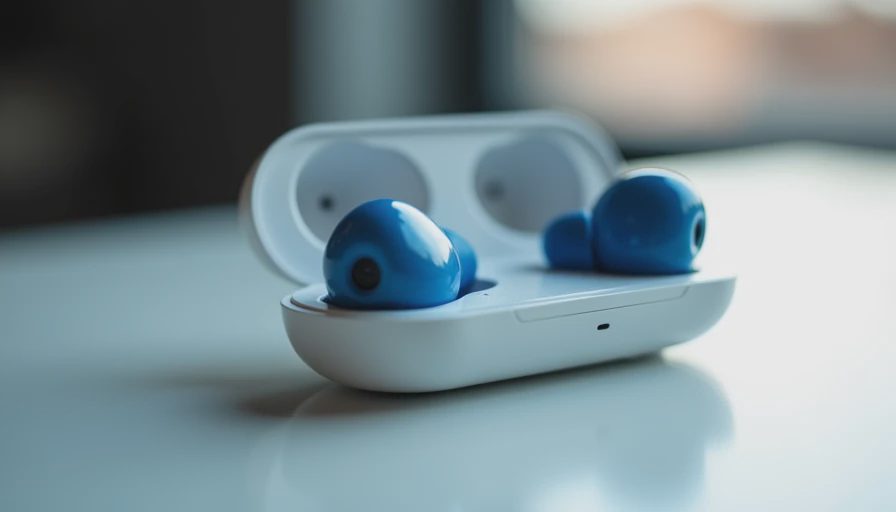
Sound quality is only half the story
Call quality, transparency mode, and latency matter more than most people admit. If you take work calls, you want your voice to stay centered and intelligible without aggressive noise reduction chopping off consonants. A lot of the better sets use multiple mics and beamforming to keep speech cleaner in light wind and street noise. Transparency mode is the other side of that coin. When it works, it sounds natural enough that you stop ripping one bud out every time a barista says your name.
Battery life is easy to oversell. Twelve hours on the bud and another 30 in the case sounds great on a spec sheet, but real use is what counts. Strong ANC and higher volume drain faster. If a model gives you five to seven hours per charge with noise canceling on, that is still perfectly usable for a commute, a workday, and a workout. Wireless charging is nice, but it is a convenience feature, not a reason to pay extra by itself.
The best wireless earbuds for each kind of listener
If you want the safest premium all-rounder, the Sony WF-1000XM5 is still a smart place to start. It usually sits in the $250 to $300 range, and it earns that price with a controlled bass shelf, detailed mids, and useful app EQ. If your priority is shutting out the world, Bose QuietComfort Ultra Earbuds are the model I would look at first. They are not the smallest buds in the world, but their ANC is excellent and the fit is secure enough for long sessions.
For iPhone users, AirPods Pro 2 remain the easiest recommendation because they pair instantly, switch between Apple devices without drama, and sound balanced enough for everyday listening. They are not the last word in EQ flexibility, but they are one of the best wireless earbuds for people who want things to just work. Samsung Galaxy Buds2 Pro make more sense for Galaxy owners who want a compact shell and a lively, refined sound without jumping into the highest price tier. Sennheiser Momentum True Wireless 4 is worth a look if you want a richer, slightly more energetic presentation and better codec support on Android.

How to buy without getting fooled by the spec sheet
Start with your phone, because ecosystem fit saves more frustration than people expect. Then decide whether your main problem is sound, noise, or comfort. If you commute every day, prioritize ANC and battery. If you work from home and take calls all day, prioritize microphone quality and transparency mode. If you mostly listen to albums and playlists, prioritize tuning and EQ controls. That is the simplest way I know to narrow the best wireless earbuds without getting distracted by jargon.
I also recommend reading one measurement-based review and one long-term comfort note before buying. Measurements tell you whether the tuning has a bass hump or a harsh treble ridge. A real-world review tells you whether the case is annoying, the touch controls misfire, or the shell starts to hurt after a movie. Trust your ears. But measure first. That is how you separate a good product from one that just had a better launch video.
If you want a fast answer: pick Sony if you want the most balanced feature set, Bose if canceling noise is the priority, Apple if you live in the iPhone world, Samsung if you are all-in on Galaxy hardware, and Sennheiser if you want a more enthusiast-leaning tune without getting silly. That is the shortlist I use when people ask for the best wireless earbuds without the hype.
Disclosure: some links on this page may be affiliate links, and I occasionally receive review units from brands. I do not let that decide the ranking.



No notes yet — write the first one.