Buying the best headphones usually starts with a bad search result. You get marketing words, celebrity ads, and reviews that sound like perfume descriptions. As someone who spent 12 years mixing records, I care about two things first: whether the tuning is balanced, and whether the fit works for your life. The best headphones for a plane ride are not the same pair you want for a desk, a commute, or late-night album listening. If you want one answer, I can give you a short list. But the smarter move is to match the headphone to the job, then use measurements to separate real value from hype. That is how you avoid paying $300 for a name and $50 worth of actual performance.
Pick the headphone for the job
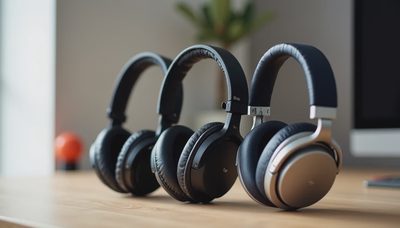
When people ask me for the best headphones, I start with the basics: closed-back or open-back, wired or wireless, and how much isolation they need. Closed-back models block more outside noise and leak less sound, so they work better on buses, in offices, and around roommates. Open-back models usually sound more natural and less boxed in, but they leak sound and let noise in. If you want something for commuting, Sony’s WH-1000XM5 and Bose’s QuietComfort Ultra are popular because the noise canceling is genuinely useful. If you want home listening, the Sennheiser HD 560S or Drop + Sennheiser HD 6XX still make a ton of sense. The point is not brand loyalty. The point is fit, comfort, and tuning that stays listenable after an hour, not five minutes.
What the measurements actually tell you
When people ask me for the best headphones, I start with the basics: closed-back or open-back, wired or wireless, and how much isolation they need. Measurements are not everything, but they keep you honest. Frequency response tells you whether the tuning is bass heavy, bright, or close to neutral. Distortion matters more in the bass than most shoppers realize; cheap drivers can sound muddy when the volume goes up. Impedance and sensitivity matter if you plan to use a phone or laptop. A 300-ohm headphone can sound great, but it may need a proper amp to wake up. If a reviewer says a pair is detailed but the treble is spiky, that is not detail; that is too much energy around the upper mids and highs. A smooth response with a controlled bass shelf usually translates into something you can enjoy for hours.
The measurement graph does not replace your ears, but it narrows the field. If a headphone has a big dip in the presence region, vocals can sound distant. If it has a narrow peak around 8 to 10 kHz, cymbals can get splashy and fatiguing. When I compare models, I want decent sub-bass extension, restrained treble, and no weird holes in the mids. That is why a well-tuned $150 model can beat a flashy $500 one. You are paying for engineering, not cosmetics.

The shortlist I keep returning to
If you want wireless ANC, the Sony WH-1000XM5 and Bose QuietComfort Ultra are still the safe recommendations. Sony usually gives you stronger app control and a slightly more polished feature set. Bose tends to win on comfort and very effective noise canceling. For travel, either one can be a smart buy around $300 to $450 depending on sales. If you want wired listening at a desk, the Sennheiser HD 560S around $150 is a hard value to beat. It is not bass-boosted and it does not flatter bad recordings, but it tells you what is in the track. If you want a warmer, smoother classic, the HD 6XX often lands around $200 and works beautifully for vocals, jazz, and long sessions.
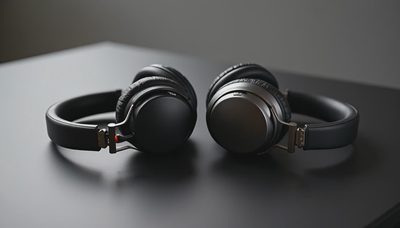
In the closed-back world, the Beyerdynamic DT 700 Pro X is a workhorse because it isolates better than open-back designs and still sounds controlled. The Audio-Technica ATH-M50x remains popular because it folds, travels well, and has punchy bass, though I would not call it the last word in neutrality. For gaming and wireless all-in-one use, the Audeze Maxwell is worth a look if your budget is closer to $300 and you want more serious sound than a typical gaming headset. None of these are perfect for everyone. But each one earns its place for a specific job, which is exactly how good headphones should work.
Where people overspend
The biggest waste is chasing premium materials instead of better tuning. Aluminum cups, leather pads, and brand mystique do not fix a headphone with a recessed midrange or a treble spike. A lot of people also overspend on Bluetooth codecs they cannot hear in daily use. At normal listening levels, comfort, clamp force, and tuning matter more than a spec sheet full of acronyms. If you are buying for the gym or commuting, sweat resistance and a stable fit are more important than whether the box says LDAC. If you are buying for home, a well-measured wired pair can beat a much pricier wireless model on sound alone.
This is also where sales copy gets slippery. Claims about studio sound or reference tuning mean almost nothing unless the response is actually balanced. Good headphones do not need to be exciting for five minutes; they need to stay coherent on real music, from compressed pop to live acoustic tracks. If you listen to bright modern mixes, avoid anything already tilted up top. If you listen to older rock or podcasts, a smooth upper midrange will usually be easier to live with.

A simple buying checklist
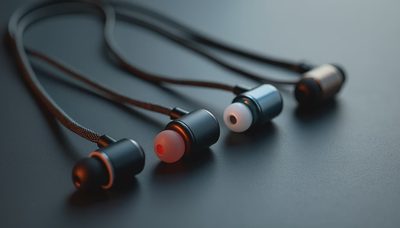
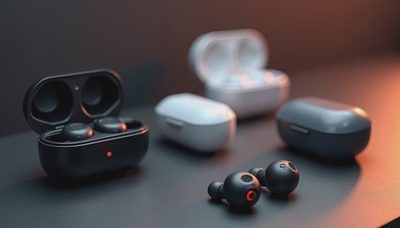
Before you click buy, decide where the headphones will live. Desktop listening can tolerate a large open-back set and maybe a headphone amp; commuting calls for folding hinges, ANC, and a case; the gym calls for a secure fit and maybe true wireless buds instead. Then check comfort clues: ear pad depth, headband pressure, and weight. A great-sounding headphone that hurts after 45 minutes is a bad purchase. If you are using a phone or a controller, sensitivity matters because not every source can drive everything loudly. I also like retailers with easy returns, because pads and clamp feel are hard to judge from a spec sheet.
For sales, watch the common discount bands. The Sony WH-1000XM5 often drops, Bose frequently runs promos, and wired models like the HD 560S or DT 700 Pro X can be excellent buys when they fall into the $120 to $200 range. If you see a model with a flat or near-flat tuning, decent build, and a price that leaves room for an amp only if you need one, you are probably looking at real value. That is how I narrow the best headphones list without getting hypnotized by packaging.
If you want the best headphones without the fluff, start with the job, check the tuning, and only then worry about the extras. Trust your ears. But measure first. If you buy through links on this site, I may earn a commission at no extra cost to you, and review samples are always disclosed.
No notes yet — write the first one.