A good pair of desktop speakers can make a laptop, turntable, or gaming PC feel like a proper listening setup. The best desktop speakers do not need mystical cables, a $5,000 amplifier, or a room the size of a recording studio. They need sensible engineering, useful inputs, and enough power for your listening distance. After 12 years mixing records in Nashville studios, I have learned that placement and frequency response usually matter more than boutique branding. Trust your ears. But measure first.
What makes desktop speakers worth buying?
Start with the basic distinction: passive speakers need a separate amplifier, while powered speakers have amplification built into one or both cabinets. For a desk, powered models are usually the practical choice. You can connect a computer, phone, game console, or turntable without filling the room with extra equipment.
The best desktop speakers produce a reasonably balanced frequency response. In plain English, that means bass, midrange, and treble are not wildly out of proportion. A speaker with excessive treble sounds bright, which can make cymbals and consonants seem sharp. One with a large bass hump can sound exciting for five minutes, then muddy on vocals and guitars. Neither is the same as accurate.
Look for a model with a volume control that is easy to reach, a headphone output if you work around other people, and at least one analog input. Bluetooth is convenient, but it should supplement a wired connection rather than replace it. USB input can also be useful because it lets the speaker receive audio directly from a computer, bypassing a noisy or mediocre headphone jack.
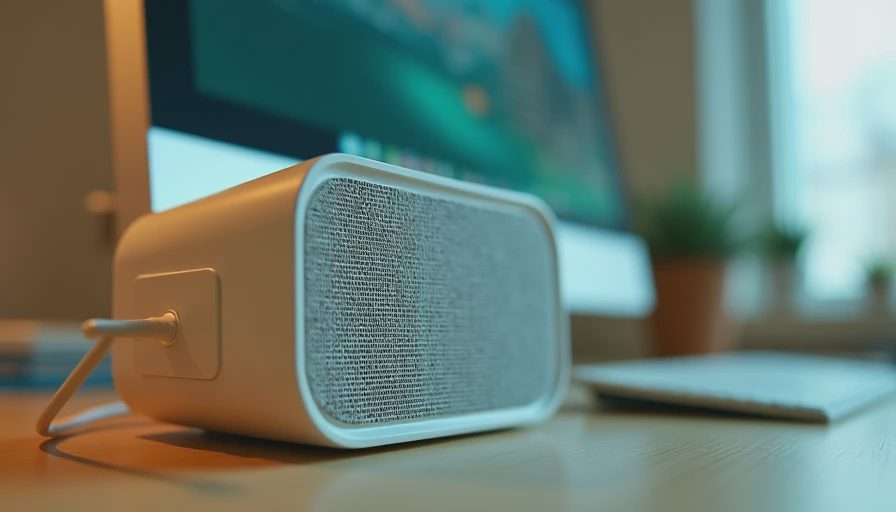
The short list by budget
Under $150, the Edifier MR4 is a sensible starting point for listeners who want a more neutral presentation than most compact computer speakers. It is not a subwoofer replacement, and its rear controls are basic, but it gives voices and acoustic instruments a believable balance. The PreSonus Eris 3.5 is another common option, especially for a small desk and occasional home recording.
Around $200 to $350, the Audioengine A2+ and Kanto YU4 offer different strengths. The A2+ is compact and simple, while the YU4 adds more connection flexibility and a fuller low end. Audioengine generally emphasizes convenience and attractive industrial design; Kanto tends to offer useful features for the money. Neither brand gets a free pass, so compare input options and cabinet size rather than buying based on logo recognition.
If you have $400 to $700, consider the JBL 305P MkII, Kali Audio LP-6 V2, or Yamaha HS5. These are closer to studio monitors than traditional computer speakers. The JBL is often the easiest recommendation for a wide listening area, while the Kali typically reaches lower in the bass. The Yamaha has a strong midrange character that can expose harsh mixes, but its limited low bass means some listeners will want a subwoofer later.
Placement matters more than another accessory
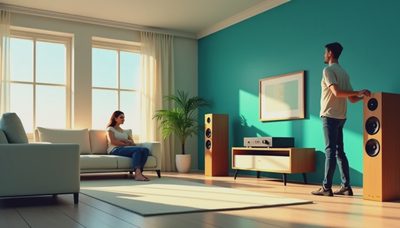
Desktop speakers cannot perform well if they are buried behind a monitor or pointed at your knees. Put the tweeters roughly at ear height and angle the cabinets toward your head. The two speakers and your listening position should form an approximate triangle. Six inches of adjustment can make a larger audible difference than swapping a digital cable.
Keep each cabinet near the same distance from the front and side walls when possible. Desks reflect sound, particularly in the upper midrange, where speech intelligibility and guitar attack live. Small foam isolation pads can reduce vibration traveling into a hollow desk. They are useful, but they will not cure a poor room or a speaker with excessive bass.
Desktop speakers placed eight inches apart will not create the same stereo image as a pair spread three feet apart. Give them enough separation for left and right information to develop, then sit centered between them. If bass becomes boomy, move the speakers farther from the wall before reaching for an equalizer. Your room is part of the system.
Features that deserve your money
A subwoofer output is valuable if you listen to electronic music, film scores, or action games at moderate volume. It is less important if your desk is in a shared apartment and you mostly play podcasts, folk records, or jazz. A subwoofer adds deep bass, but it also introduces another placement and crossover problem. Buy one because you need deeper extension, not because a product page says bigger is automatically better.
Bluetooth codecs are another place where marketing can get slippery. Bluetooth is convenient for casual listening, and modern implementations can sound very good, but a wired USB or analog connection is still the simpler choice for critical listening. A remote control, automatic standby, and a front headphone jack can improve daily use more than a claim about premium internal wiring.
Avoid spending hundreds on speaker cables for powered desktop speakers. Use a reliable, appropriately shielded cable and put the money toward better placement, room treatment, or a speaker with a more capable woofer. Copper does not become magical because it is wrapped in braided nylon.
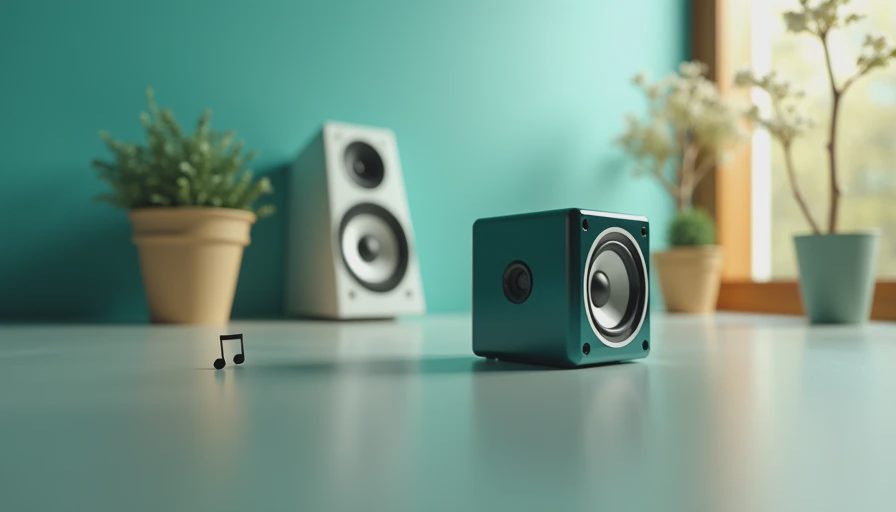
How I test a pair at home
I begin with familiar recordings rather than spectacular demo tracks. A vocal-heavy song reveals midrange balance quickly. A dense rock mix shows whether the speakers turn into glare at higher volume. A kick drum and upright bass tell me whether the low end is tight or simply loud. I also listen quietly because a speaker that only sounds impressive at party volume is not very useful at a desk.
Then I switch between a wired source and Bluetooth at matched volume. Louder almost always sounds better, so level matching matters. I check whether the stereo image stays stable when I move slightly off center, whether cymbals become tiring, and whether bass notes blur together. Measurements such as frequency response and distortion help explain those impressions; they do not replace them.
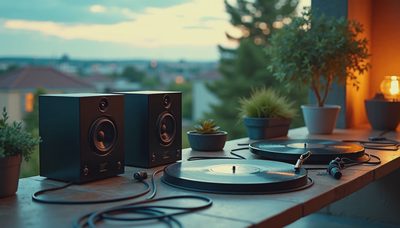
For desktop speakers, I also test practical annoyances. Does the power light illuminate the room at night? Is the volume knob smooth? Does the unit hiss with nothing playing? Can I connect a computer and a turntable without constantly unplugging cables? These details become more important after the novelty wears off.
A sensible buying plan
Measure your desk first. Note the available width, distance to the wall, and whether the speakers will sit beside one monitor or two. Choose powered models if you want a simple system. Prioritize a balanced sound, useful inputs, and a cabinet size that fits your listening distance. Then reserve part of the budget for isolation pads or a basic stand if the tweeters cannot reach ear level.
For a first setup, I would rather see someone buy the Edifier MR4 and place it correctly than purchase a stylish but boomy system and hide it behind a monitor. For a larger desk, the JBL 305P MkII or Kali LP-6 V2 can deliver a more convincing sense of scale, provided you can give them room. For a compact office, the Audioengine A2+ or Kanto YU4 makes more sense than forcing large monitors into a cramped corner.
The right desktop speakers should make you listen longer, not make you memorize product specifications. Buy from a retailer with a clear return policy, spend an evening with recordings you know, and ignore anyone claiming that expensive accessories are mandatory. Good audio is not a luxury contest. It is a chain of sensible decisions, starting with speakers that measure reasonably and fit your actual room.
I sometimes receive review units, and some links on this site are affiliate links that earn a commission at no extra cost to you. That does not change how I judge a product. My standard remains simple: measurements first, honest listening second, and no snake oil anywhere.

No notes yet — write the first one.