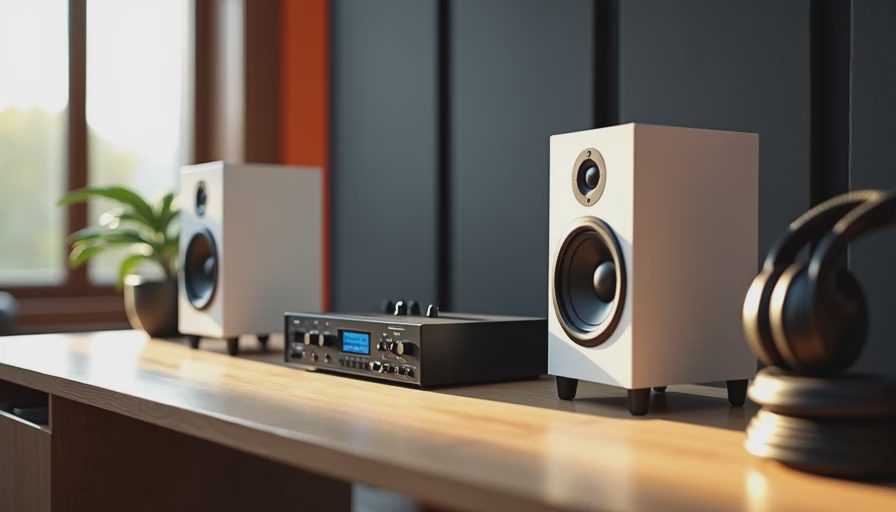
Why the Audio World Keeps Lying to You
I spent twelve years in Nashville studios making records sound the way the artist and producer actually wanted them to sound. Not “impressive.” Not “audiophile.” Just right. Flat enough that the mix translated. Dynamic enough that the emotion survived. Clean enough that the vocal sat without fighting the guitars.
Then I walked away from the console and started listening to consumer audio the way normal people do—through the same headphones, speakers, and streamers you buy. What I found was a thick fog of nonsense.
Golden ears. Cable risers. Burn-in rituals. Reviewers who use the same ten adjectives for every product. Forums that treat frequency response graphs like heresy. YouTube channels that never once show a measurement.
You don’t need golden ears. You need honest information. That’s it. That’s the whole thesis of this site.
Trust your ears. But measure first.
What “Golden Ears” Actually Means (And Why It’s Mostly Marketing)
Let’s clear the air. Some people do have better hearing than others. Age, genetics, years spent in loud environments, and simple practice all matter. A working mix engineer who spends ten hours a day listening critically will notice things a casual listener misses. That’s not magic. That’s training plus exposure.
But the version of “golden ears” sold to consumers is something else entirely. It’s the idea that only a special caste of listeners can hear the difference between a $200 DAC and a $2,000 one, or between a stock power cable and a “high-end” one that costs more than a decent pair of speakers. It’s gatekeeping dressed up as expertise.
I’ve sat in rooms with engineers who mixed records that sold millions of copies. None of them talked about soundstage height or PRaT without defining the terms first. They talked about balance, masking, distortion, and whether the kick drum punched through a phone speaker. They cared about what translated.
The golden-ear mythology does two harmful things:
It makes regular people feel like their hearing is defective if they can’t hear the difference between two products that measure almost identically.
It gives cover to companies selling $5,000 cables and $800 “audiophile” USB sticks.
You don’t need to join a secret society. You need clear data and clear language.
Measurements Aren’t the Enemy of Listening
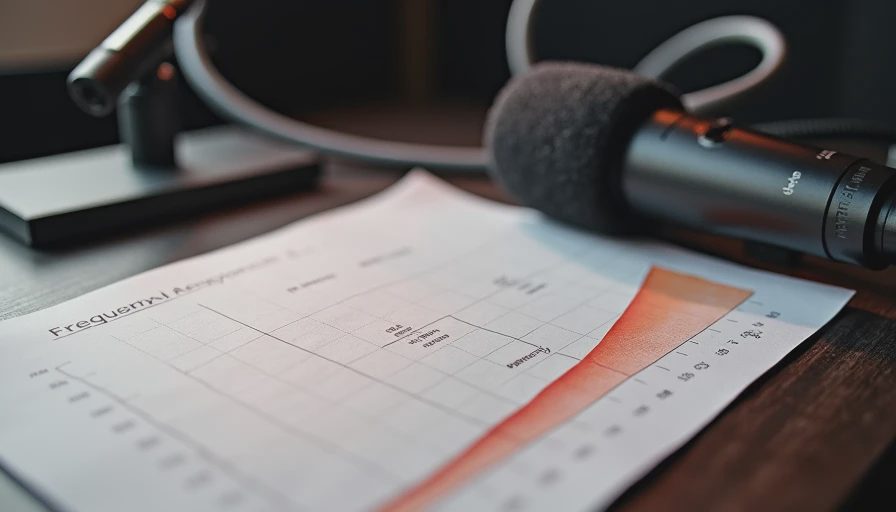
I know the pushback. “Measurements don’t tell the whole story.” Correct. They don’t. They tell the part of the story that is objective and repeatable. Frequency response, distortion, impedance, sensitivity, noise floor—these are not opinions. They are facts about how a piece of gear behaves.
A headphone that measures with a 12 dB peak at 8 kHz is going to sound bright to most people, regardless of what the marketing copy says. A speaker with wild +6 dB swings in the midrange is going to color every vocal you play through it. An amp that starts distorting hard at 50 mW into 32 ohms is not going to drive demanding planars cleanly.
Listening still matters. A lot. Measurements tell you the shape of the problem. Listening tells you whether you like the result and whether it works in your actual room with your actual music.
The best reviewers I know—on Audio Science Review, in certain corners of Head-Fi, and a few independent writers—use both. They show the graph, then they tell you what it sounded like on real tracks. That combination is rare. Most of the internet picks one and pretends the other doesn’t exist.
I’m not here to worship graphs. I’m here to use them as a bullshit detector, then listen like someone who used to get paid to make records sound good.
What Honest Information Actually Looks Like
Here’s what I mean by honest information, in practical terms:
Frequency response that is measured the same way every time. Not a single manufacturer’s marketing curve. Consistent methodology so you can compare products.
Clear disclosure. If a brand sent the unit, I say so. If I bought it, I say so. Affiliate links are marked. No mystery.
Language that means something. “Bright” means elevated treble. “Warm” means recessed treble or boosted lower mids. “Soundstage” gets defined before I use it. No poetry that could describe any product.
Budget sections treated with the same care as flagships. A $40 IEM can be excellent. A $2,000 headphone can be mediocre. Price is not a quality score.
Real listening notes on music people actually play. Not just test tones and reference tracks that only reviewers own.
I’ve mixed on NS-10s, ATCs, and Genelecs. I know what neutral actually sounds like because I had to deliver mixes that worked on car stereos, earbuds, and club systems. That experience doesn’t make my ears magic. It makes me allergic to claims that can’t survive a measurement or a second listen.
The Real Cost of Bad Advice
Bad audio advice doesn’t just waste money. It wastes time and confidence.
People buy expensive cables because a reviewer swore they opened up the soundstage. They then doubt their own hearing when the difference never appears. They avoid perfectly good studio monitors because “those are for mixing, not for enjoyment.” They chase diminishing returns while a well-placed $300 pair of speakers sits unbought.
The opposite also happens. Some measurement-only communities treat any subjective preference as superstition. If you like a slightly warmer headphone, you must be wrong. That’s just another form of gatekeeping.
The middle path is simple: measure what can be measured. Listen carefully. Be transparent about both. Help people buy once and listen for years instead of upgrading every six months because the last review made them feel inadequate.
How This Site Is Going to Work
Every review and guide here will follow the same basic rules:
Show the data that matters.
Describe the sound in plain language.
Tell you what the product is actually good for and who should skip it.
Keep the budget options as rigorous as the expensive ones.
Admit when something is just fine and not worth the hype.
I’m not interested in ranking the top ten headphones of 2026 every month. I’m interested in helping you stop shopping and start listening.
If a $90 IEM is the smartest buy in its class, I’ll say so. If a popular $400 DAC is basically a $120 DAC with a nicer case, I’ll say that too. If speaker placement will improve your system more than a new amp, that free advice is going on the site.
One Last Thing About Ears
Your ears are the final judge. Always. Measurements can tell you a product is neutral. Only you can decide if you enjoy neutral. Some people prefer a little bass lift. Some want extra sparkle. That’s fine. Preferences are allowed.
What isn’t fine is being told that your preference is invalid because you haven’t spent enough money or haven’t joined the right forums.
You don’t need golden ears.
You need honest information.
Then you trust your ears.
But measure first.
No notes yet — write the first one.