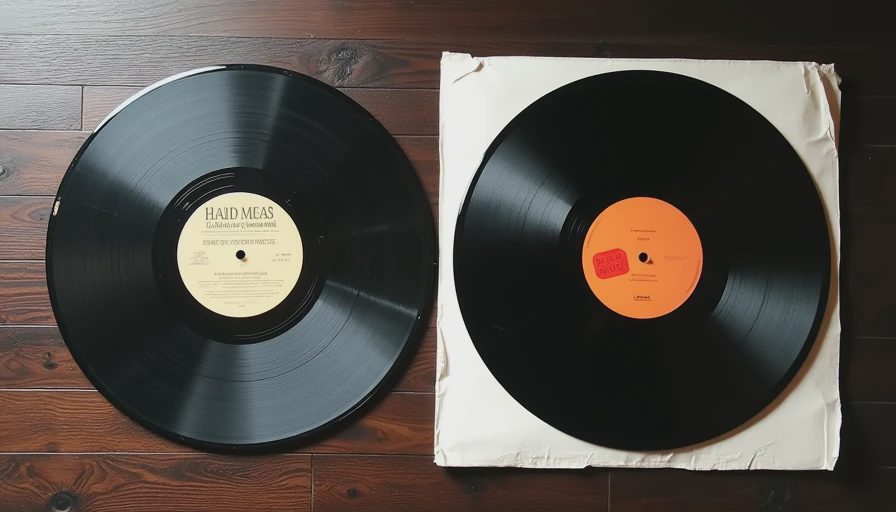
The Romance of the Original Versus the Reality of the Record
There’s a strong current in record collecting that treats the original pressing as sacred. First pressing, original master, correct label variation—those details can matter a lot to collectors. They matter less, and sometimes not at all, to people who mainly want the music to sound good.
I’ve spent years working with master tapes, digital transfers, and the compromises that happen when music is cut to lacquer. I’ve also bought enough original and reissue vinyl to know that “original” is not a reliable proxy for “better sounding.”
Sometimes the early pressing is the one that got the balance right. Sometimes a modern reissue is cut from a better transfer, with more care, quieter vinyl, and a more honest EQ. The only way to know is to listen and, when possible, compare.
What Actually Determines How a Record Sounds
Several variables matter more than the word “original”:
The source. Was the cut made from the original master tape, a safety copy, a digital transfer, or something further down the chain?
The cutting engineer and the setup. Different engineers and different rooms make different choices about EQ, compression, and how hard to cut.
The lacquer, plating, and pressing quality. Quiet vinyl, good centering, and consistent pressing matter. A noisy or off-center original is still a compromised playback experience.
The EQ decisions of the era. Some classic albums were cut with the consumer systems of the time in mind—extra bass, rolled-off top, or loudness that made sense on 1960s and 1970s playback gear. Modern systems can expose those choices.
Condition. A clean, well-kept reissue will usually outperform a scratched, noisy original of the same cut.
Mastering for vinyl has always been a series of compromises. The best versions are the ones that navigate those compromises most successfully for the music.
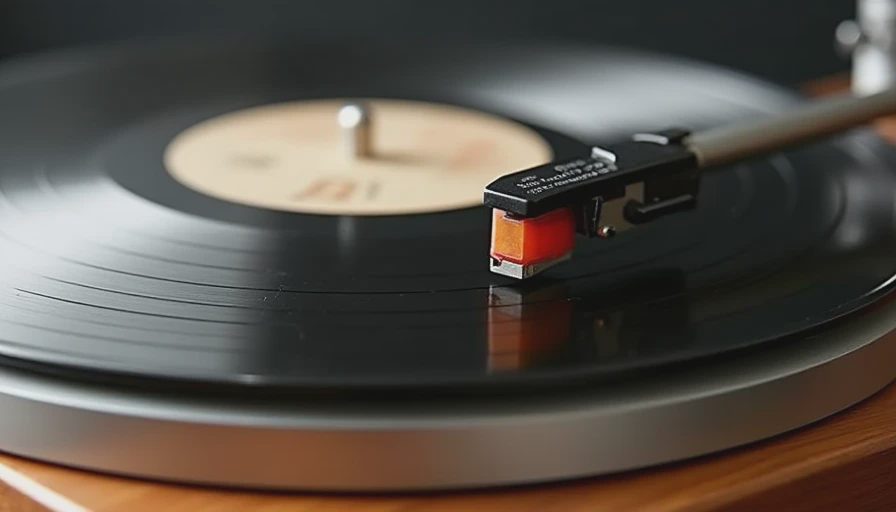
When Originals Tend to Win
Original pressings often have the edge when:
The album was cut by a known excellent engineer from the original tapes and the pressing plants were still operating at a high standard
Later reissues were made from lossy digital sources, heavily noise-reduced transfers, or with heavy-handed modern EQ
The original has a specific tonal balance or dynamic feel that later versions smoothed out or exaggerated
You’re dealing with titles that have never received a careful modern AAA or high-quality digital reissue
In those cases the original can feel more immediate, more dynamic, or simply more “right.” That is real and worth seeking out—if the condition is good and the price is not absurd.
When Modern Reissues Are the Smarter Choice
Reissues frequently win when:
The original tapes have been carefully transferred at high resolution and cut by someone who understands both the music and modern playback systems
The new pressing is quieter, better centered, and more consistent than surviving originals
The original cut was compromised by the loudness or tone preferences of its era
The album was only available in noisy, poorly pressed, or hard-to-find early editions
A lot of the better reissue programs of the last fifteen years have produced records that are simply more enjoyable on a good modern system than the battered originals most of us can actually afford.
Price is also a practical factor. Paying collector premiums for a marginal or even inferior-sounding original is a different hobby from trying to hear the music at its best.
How to Evaluate Without Getting Lost in the Lore
A few practical habits help:
Listen for noise floor, inner-groove distortion, and channel balance before you fall in love with the story of the pressing.
Compare the same familiar tracks across versions when you can. Focus on vocal tone, cymbal texture, bass definition, and overall ease.
Treat label and matrix information as useful data, not as a substitute for listening.
Remember that a clean, well-mastered reissue you can play regularly is more valuable than a rare original you’re afraid to take out of the sleeve.
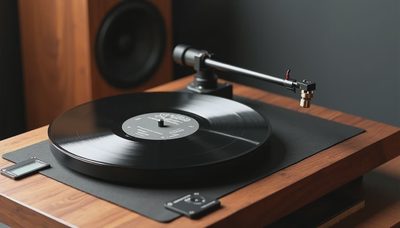
Condition and setup still matter more than most pressing debates. A good turntable, correctly aligned cartridge, and clean records will reveal more about a pressing than any forum thread.
The Collector Versus the Listener
There is nothing wrong with collecting original pressings for historical, aesthetic, or completionist reasons. That is a legitimate part of the hobby. It just shouldn’t be confused with a reliable method for getting the best sound.
The listener’s question is simpler: which version lets the music through with the least interference and the most appropriate balance? Sometimes that is the original. Often, especially with well-done recent reissues, it is not.
The Bottom Line
Original pressings carry history and, in many cases, excellent sound. They are not automatically the best-sounding version of an album. Modern reissues can be quieter, better cut, and more faithful to the music as it exists on the master.
Judge the record by what it does on your system, not by the date on the label.
Trust your ears. But measure first.
Then buy the pressing that sounds best and that you’re actually willing to play.
No notes yet — write the first one.