Powered speakers are the easiest way to build a serious music system without buying a separate amplifier. The amplification is built into the cabinet, so you connect a source, place the pair properly, and start listening. After 12 years mixing records in Nashville studios, I appreciate that simplicity. Fewer boxes can mean fewer opportunities for a bad cable, mismatched impedance, or an amp that runs out of clean power.
That does not mean every model deserves your money. Some powered speakers are genuinely balanced and versatile; others hype the treble, exaggerate the bass, or include a feature list that looks better than the actual sound. The useful questions are straightforward: what room are you filling, what sources do you own, and do you want accurate monitoring or a flattering living-room presentation?
What powered speakers actually include
A typical pair contains a power amplifier, crossover network, drivers, and the cabinet itself. One speaker often holds both amplifier channels and connects to the other with a speaker cable. On better designs, each cabinet has its own amplifier, which can improve efficiency and reduce the amount of current traveling through the connection between speakers.
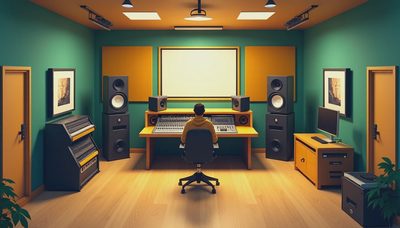
You will see two broad categories. Studio monitors, such as the JBL 305P MkII, Kali Audio LP-6 V2, and Yamaha HS5, prioritize a controlled frequency response and clear midrange. They are useful for editing, mixing, and hearing flaws in recordings. Consumer bookshelf models, including the Audioengine A5+ Wireless and KEF LSX II, typically offer more lifestyle features, softer styling, and inputs for a television or turntable.
Neither category is automatically superior. A neutral monitor can expose a harsh recording, while a slightly warm bookshelf speaker can make old rock albums more comfortable for a long evening. “Warm” usually means a little more lower midrange and less aggressive treble. “Bright” means elevated treble, which can add detail but become tiring. Those descriptions are more useful than calling a speaker “musical” without explaining what changed.
Choosing the right inputs and features
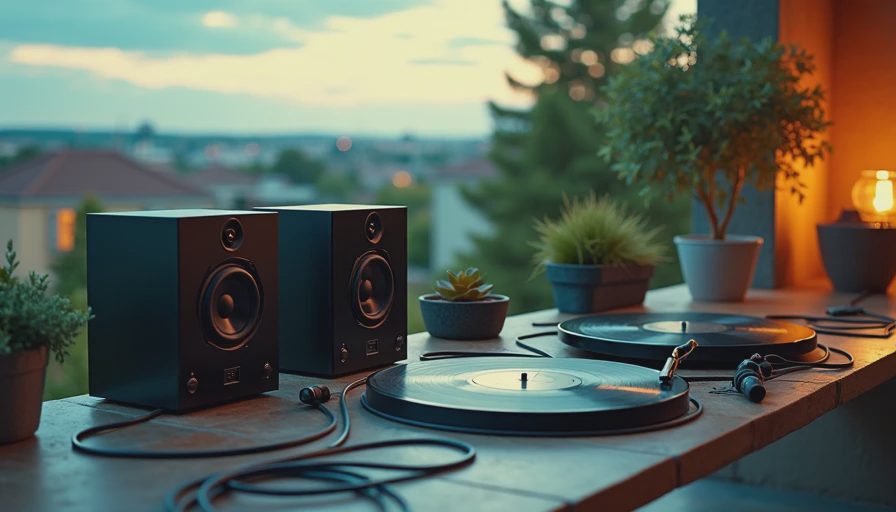
Start with your sources rather than the marketing page. If you stream from a phone, Bluetooth is convenient, but Bluetooth quality depends on the codec and the receiving hardware. For a computer, USB input can bypass a noisy headphone jack and let the speaker handle digital conversion. A television usually benefits from optical input or HDMI ARC, while a turntable requires a phono preamp somewhere in the chain.
A remote control, subwoofer output, and tone controls are practical additions. A subwoofer output is particularly valuable because it lets you add low bass later without replacing the speakers. Volume control on the front is handy for desktop use, but a remote is better when the system sits across the room. Wireless streaming is useful, but do not pay an extra $300 solely for an app you will stop using after the first week.
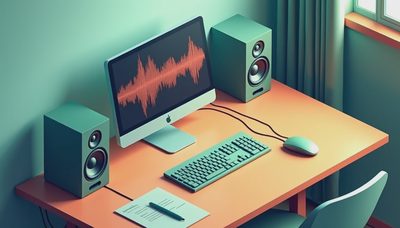
For a desk, compact models with front volume controls and a headphone jack make sense. For a living room, look for a real input panel, reliable standby behavior, and enough power to play cleanly at your normal distance. More watts do not guarantee better sound. A 50-watt amplifier with low distortion can be more satisfying than a noisy 150-watt design.
How much should you spend?
Around $150 to $300, powered speakers can deliver a large improvement over laptop audio or a cheap Bluetooth box. Edifier has several accessible options, while PreSonus and Mackie offer compact monitors aimed at desktop production. At this price, expect compromises in deep bass, cabinet finish, or connectivity, but not necessarily poor clarity.
The $300 to $700 range is the practical sweet spot for many buyers. Models from JBL, Kali Audio, Audioengine, and Kanto can provide clean vocals, useful stereo separation, and enough output for a bedroom, office, or moderate living room. This is where measurements begin to separate thoughtful designs from speakers that simply sound exciting for five minutes.
Above $700, you are paying for better drivers, stronger cabinets, room correction, network features, or refined industrial design. KEF, Genelec, Neumann, and Dynaudio all make respected products, although their priorities differ. A $1,500 pair will not make a badly mastered recording good, and it will not fix speakers placed behind furniture. Spend first on placement and room basics before chasing a flagship badge.

Placement matters more than cable upgrades
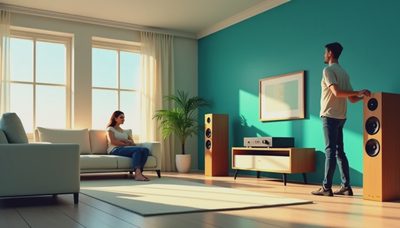
Put the tweeters near ear height and form an approximate triangle between your head and the two speakers. Start with the speakers two to three feet from the front wall, then adjust by ear. Moving them closer to a wall usually increases bass; moving them away often makes the low end cleaner. Keep the left and right distances from nearby walls reasonably similar so one channel does not sound louder or boomier.
On a desk, isolation stands can reduce vibration traveling into the furniture. On a shelf, leave space around rear ports and avoid placing one speaker in a corner while the other sits in open space. Toe the speakers inward until vocals lock near the center. If the center image shifts when you move your head a few inches, check that both speakers are aimed and spaced evenly.
This is also why powered speakers usually beat a single smart speaker for serious listening. A proper stereo pair creates width through timing and level differences between the channels, not through artificial echo. You hear the arrangement more clearly, especially on acoustic recordings where guitar, vocal, and room ambience occupy different positions.
Powered speakers versus passive speakers
Passive speakers need a separate stereo amplifier or receiver. That approach gives you more freedom to replace one part at a time, add multiple sources, or restore vintage equipment. I enjoy that route myself when working on old Marantz and Pioneer amplifiers. It can also become expensive: a reasonable amplifier, speaker wire, and passive pair can easily push a basic system above $600.
Powered speakers keep the system compact and matched. The manufacturer knows the amplifier, crossover, and drivers will work together, which can make the design more efficient. They are especially practical for apartments, desktops, record rooms, and television systems where space matters. The tradeoff is serviceability: if the built-in amplifier fails outside warranty, repair can be less convenient than replacing a separate component.
Choose passive gear if upgrading components is part of the hobby. Choose powered speakers if you want fewer boxes and a faster path to good stereo sound. Neither choice makes you more serious about music. Listening is the point, not assembling an impressive rack.
A simple buying checklist
Before ordering, write down your room size, listening distance, and three main sources. Check whether the speaker includes the inputs you actually need, not merely Bluetooth. Look for independent frequency-response measurements when available, and pay attention to bass extension and distortion rather than a vague claim about “premium sound.” Confirm return terms because room interaction can change your impression significantly.
Use familiar recordings that include vocals, bass guitar, cymbals, and dense mixes. A good pair should make speech intelligible, keep vocals centered, and avoid turning cymbals into hiss at moderate volume. Listen for 20 minutes, not just one dramatic track. If the presentation is exciting but exhausting, the treble may be too elevated. If everything sounds thick, the room or bass tuning may be the problem.
My short list for most buyers would start with affordable JBL or Kali monitors for accuracy, Audioengine or Kanto for simple desktop convenience, and KEF or Genelec when budget and refinement matter. Brand reputation helps, but measurements and fit matter more. Trust your ears. But measure first.
I may earn a commission from links to retailers, including Amazon, and some manufacturers provide review units. That does not guarantee a positive review; products are judged by their measurements, usability, and performance in real rooms. The best powered speakers are the ones that fit your sources, space, and listening habits without demanding audiophile theater.

No notes yet — write the first one.