A bluetooth amp can be the simplest way to bring streaming music to passive speakers without building a stack of separate components. It combines wireless connectivity with a power amplifier, so your phone, tablet, or laptop can become the source while the amp drives the speakers. After years of mixing records and restoring vintage receivers, I like the idea. I also know where manufacturers hide weak power supplies, vague wattage claims, and mediocre digital inputs.
The right choice depends on your speakers, room, listening habits, and tolerance for fiddling. A compact model can sound genuinely good for $100 to $200, while a more capable unit with a better power supply, subwoofer output, and multiple inputs often lands between $300 and $700. Spend money on the parts that affect performance, not on oversized heat sinks or mystical claims about wireless sound.
What a Bluetooth Amp Actually Does
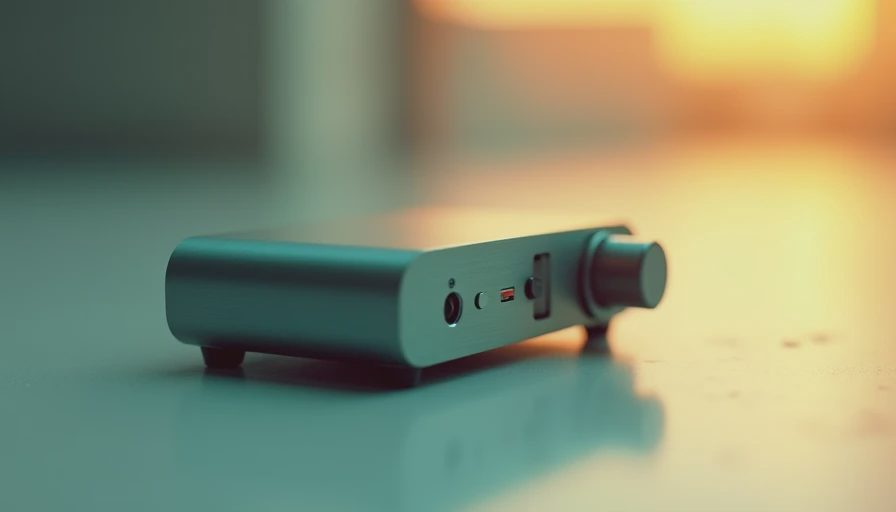
A bluetooth amp receives audio wirelessly, converts the digital signal into analog audio, and amplifies it for passive speakers. That means it replaces at least two boxes: a Bluetooth receiver and a power amplifier. Some models also include a digital-to-analog converter, phono input, optical input, USB, or a subwoofer output.
Do not confuse this product with a Bluetooth speaker. A Bluetooth speaker includes its own amplifier and speaker drivers in one cabinet. A bluetooth amp requires separate passive speakers, such as bookshelf speakers from ELAC, Polk, Wharfedale, or Micca. The advantage is flexibility: you can upgrade the speakers later instead of throwing away the whole system.
Bluetooth itself is not a guarantee of sound quality. The codec matters, although the speaker, room, and recording usually matter more. SBC is the basic universal option. AAC can work well with Apple devices, while aptX, aptX HD, and LDAC can offer higher-quality transmission when both the source and amplifier support them. Compatibility is a system feature, not a marketing decoration.
How Much Power Do You Need?
Power ratings are where many buyers get misled. A listing might advertise 100 watts per channel, but that number may be measured at one channel driven, a high distortion level, or a brief peak rather than continuous output. Look for RMS or continuous power, the speaker impedance used for testing, and a distortion figure. Honest specifications are more useful than a giant number on the box.
For efficient bookshelf speakers in a small office or bedroom, 25 to 50 watts per channel is often enough. A living room with speakers around 86 to 90 decibels of sensitivity may benefit from 50 to 100 watts per channel, especially if you listen to dynamic recordings at higher levels. Low-sensitivity speakers or a large room demand more current and headroom.
Headroom means the amplifier has extra capacity for brief musical peaks without clipping. Clipping sounds harsh and strained, and it can damage tweeters if you continue pushing it. A sensible amplifier with a real power supply will usually sound cleaner than a flashy model that claims huge output from a tiny wall adapter.
The Features Worth Paying For
A useful bluetooth amp should have controls you will actually use. A physical volume knob is preferable to relying entirely on an app, particularly when you are sitting across the room. A remote is helpful, but it should not be the reason you choose a model with poor amplification.
Prioritize an optical input if you plan to connect a television. Optical avoids electrical noise and works with many TVs, streamers, and game consoles. A subwoofer output is valuable for adding low-end later, although confirm whether it is fixed or variable. A variable output follows the volume control; a fixed output does not.
If you own a turntable, you need a phono preamp unless the turntable already has one built in. Many compact amplifiers include a moving-magnet phono input, but some do not. Do not connect a bare turntable directly to a normal line input and expect healthy volume. The tiny signal needs proper gain and equalization first.
A bluetooth amp with a USB input can be convenient, but inspect the supported sample rates and operating-system compatibility. A USB port is not automatically better than optical or analog input. For ordinary streaming, a reliable connection and low noise matter more than support for an enormous file format list.
Good Choices at Different Budgets
Around $100, products such as the Fosi Audio BT20A Pro and similar compact Class D designs can make sense for a desk system or small room. They typically provide enough power for efficient bookshelf speakers and keep the signal path uncomplicated. The tradeoffs are limited inputs, basic enclosures, and less certainty about long-term support.
The $200 to $400 range is where products such as the Yamaha R-S202D-style receiver category, Arylic integrated amplifiers, and better Fosi or Aiyima models become more interesting. Features vary widely, so compare actual inputs, output behavior, and power-supply specifications rather than assuming the most expensive case sounds best. Some are excellent values; others are merely louder.
For a more complete living-room system, consider an amplifier from NAD, Cambridge Audio, Marantz, or Denon with Bluetooth included. These units often provide better input switching, more mature protection circuits, stronger support, and useful television connectivity. You are paying for the complete package, not necessarily a night-and-day improvement in Bluetooth sound.
Listening Tests That Reveal the Truth
When I test a bluetooth amp, I use familiar recordings with vocals, bass, cymbals, and dense arrangements. I listen for obvious hiss at the listening position, channel imbalance at low volume, bass compression, and harshness when the amplifier approaches its limits. A difference you can only hear after switching cables, moving your head, and staring at the product is not a practical buying reason.
Match levels before comparing amplifiers. The louder unit nearly always sounds more exciting, even when it is not more accurate. I also test Bluetooth range through a wall, reconnection after a phone leaves the room, and whether volume changes are smooth. These are unglamorous details, but they determine whether the system gets used every evening or gets abandoned in a closet.
A useful test track should include a centered vocal, acoustic instruments, and a strong low-frequency line. Listen for the vocal staying centered and clear, bass notes retaining pitch, and cymbals avoiding a brittle splash. If the amplifier passes those checks at a comfortable level, you are already ahead of most specification-sheet shopping.
Common Buying Mistakes
The first mistake is buying based on peak watts. The second is pairing a powerful amplifier with speakers that cannot handle the volume, then assuming the amplifier is defective when the tweeters sound aggressive. The third is ignoring speaker impedance. Most compact amplifiers are happiest with ordinary 4- to 8-ohm speakers, but always read the manufacturer’s limits.
Another mistake is expecting Bluetooth to replace every source. Wireless streaming is convenient, but a television may need optical, a turntable may need phono, and a game console may need an analog or digital connection. Draw your signal path before ordering: source, cable or wireless link, amplifier, speakers, and optional subwoofer.
Do not spend $200 on a premium Bluetooth transmitter before fixing speaker placement. Put bookshelf speakers on stands or stable furniture, separate them from the rear wall, and aim them roughly toward your listening position. That change can produce a bigger audible improvement than swapping between two competent amplifiers.
My Practical Buying Checklist
Choose a bluetooth amp by starting with the speakers, not the amplifier brand. Check their sensitivity, impedance, recommended power range, and whether you want a subwoofer later. Then list every source you intend to use. If the list includes a TV and turntable, an inexpensive two-input model may become frustrating quickly.
Next, confirm continuous power rather than peak power, identify the included power supply, and look for protection against overheating and short circuits. Check whether the Bluetooth codec matches your phone or tablet. Apple users should pay attention to AAC support; Android users may benefit from aptX or LDAC, but only when both devices support the same codec.
Finally, buy from a retailer with a sensible return policy. Even a measured, well-reviewed bluetooth amp can interact differently with your speakers and room. Trust your ears. But measure first: verify the specifications, control the listening level, and spend the remaining budget on speaker placement or better speakers.
This article contains affiliate links. If you buy through one, I may earn a commission at no extra cost to you. Review units, when provided, do not guarantee favorable coverage; the measurements and listening impressions still decide the recommendation.



No notes yet — write the first one.