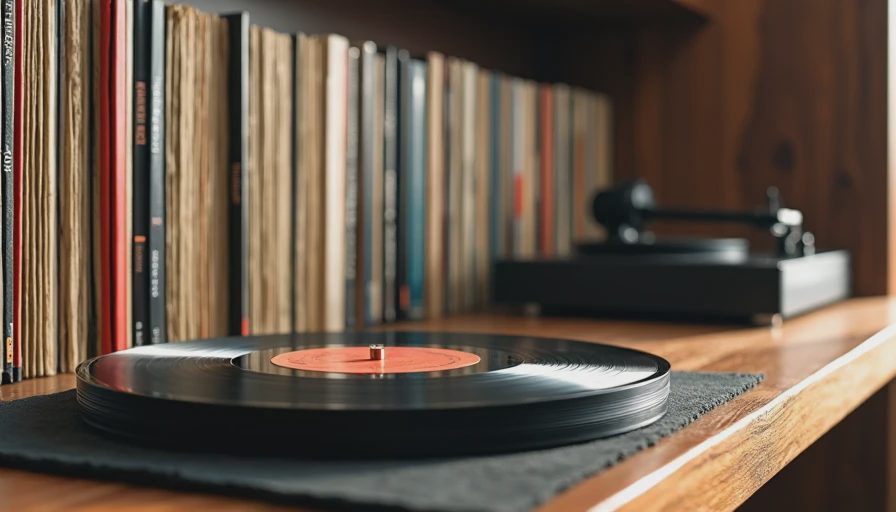
If the house burned down tomorrow and I could only grab ten records, these are the ones I’d take. Not because they’re the rarest or the most expensive, and not because they photograph well under soft lighting. I’d take them because, after years of listening on everything from NS-10s to a restored Marantz to whatever review system is currently cluttering the garage, these particular pressings still do the thing that matters: they get out of the way and let the music hit you the way it was meant to.
I’m a working listener, not a collector in the pure sense. The shelf is organized roughly by label and pressing era because that system helps me find things fast, not because I’m chasing catalog numbers for status. When I say a pressing is good, I mean it survives repeated plays without the fatigue that comes from bad EQ choices, excessive compression, or a cut that never quite locked in. When I say it’s great, I mean I keep reaching for it even when digital versions are sitting right there on the hard drive.
These ten are the ones that keep winning that quiet contest.
1. Steely Dan – Aja (1977 ABC original US pressing)
The original ABC pressings of Aja still have a clarity and punch that later reissues often smooth over. The drums sit in a believable space, the bass is tight without being clinical, and the famous horn arrangements have air around them instead of the slightly veiled quality I hear on some modern cuts. I’ve owned three different copies over the years; the quieter, better-centered ones are the keepers. Digital versions can sound impressively clean, but this particular vinyl has a sense of ease that makes long sessions feel effortless.
2. Bill Evans – Sunday at the Village Vanguard (1961 Riverside original mono)
Mono done right. The original Riverside pressings (and the better early reissues) place the piano, bass, and drums in a coherent, intimate space that stereo versions sometimes dilute. There’s a weight and presence to Evans’s left hand that later pressings can thin out. I keep this one because it reminds me what a great small-club recording can feel like when the cutting engineer didn’t try to modernize it.
3. Neil Young – After the Gold Rush (1970 Reprise original)
The early Reprise pressings have a natural midrange and a slightly raw edge that fits the songs. Later digital-era reissues often sound a bit safer and more polished. I prefer the version that still has a little grit in the acoustic guitars and a sense that the room was part of the performance. It’s not the quietest vinyl I own, but the musical trade-off is worth it.
4. Joni Mitchell – Blue (1971 Reprise original)
Again, the early pressings. Mitchell’s voice sits forward without becoming harsh, and the sparse arrangements have space to breathe. Some later cuts push the top end in a way that gets fatiguing on longer listens. This is the copy I put on when I want to remember why simplicity, done with intention, still beats most production fireworks.
5. Miles Davis – Kind of Blue (1959 Columbia 6-eye or early 360 Sound)
I own both a solid 6-eye and a clean early 360 Sound copy. Both beat the majority of modern reissues I’ve heard for tonal balance and the sense of the original studio space. The famous “so what” opening still feels like the room is right there. Later pressings sometimes add a slight haze or a different EQ curve that moves the piano and trumpet just enough to notice. I keep the quieter of the two originals for regular play.
6. Pink Floyd – The Dark Side of the Moon (1973 Harvest UK original or solid early US)
The early UK Harvest pressings remain the reference for me. The dynamics are still startling when the system is set up right, and the low end has weight without the bloom that some later cuts introduce. I’ve heard excellent modern reissues, but none have completely erased the memory of how the original side two opens. This is the record I use to check whether a new pair of speakers is telling the truth about scale.
7. Talking Heads – Remain in Light (1980 Sire original)
The original Sire pressing has a rhythmic snap and midrange clarity that later versions sometimes soften. The layered percussion and David Byrne’s vocal sit in a way that feels urgent rather than nostalgic. It’s one of those records that rewards a well-aligned cartridge and correct tracking force more than most; when the geometry is right, the groove just locks in.
8. Bob Dylan – Blood on the Tracks (1975 Columbia original)
The early Columbia pressings (especially the ones cut from the correct masters) have a directness that later “improved” versions can lose. Dylan’s voice is present without being exaggerated, and the acoustic instruments have body. I’ve compared a few copies side by side; the quieter, better-centered early ones still win for emotional impact.
9. Fleetwood Mac – Rumours (1977 Warner original US)
The original Warner pressings keep the famous production sheen without tipping into the excessive brightness some later cuts add. The rhythm section has weight, and the vocal blends still feel like a band in a room rather than a collection of isolated tracks. It’s a record that can sound glossy on the wrong system; on a properly set-up turntable it still feels human.
10. John Coltrane – A Love Supreme (1965 Impulse! original or early gatefold)
The early Impulse! pressings (especially the ones with the clearer, less congested cut) remain the ones I reach for. Coltrane’s tone has body and the famous cadence still builds with real intensity. Some later reissues clean up the surface noise at the cost of a little of that urgency. I keep a well-cared-for early copy because the music still feels like an event rather than a historical document.
Why These Pressings, Not the “Best” Ones on Paper
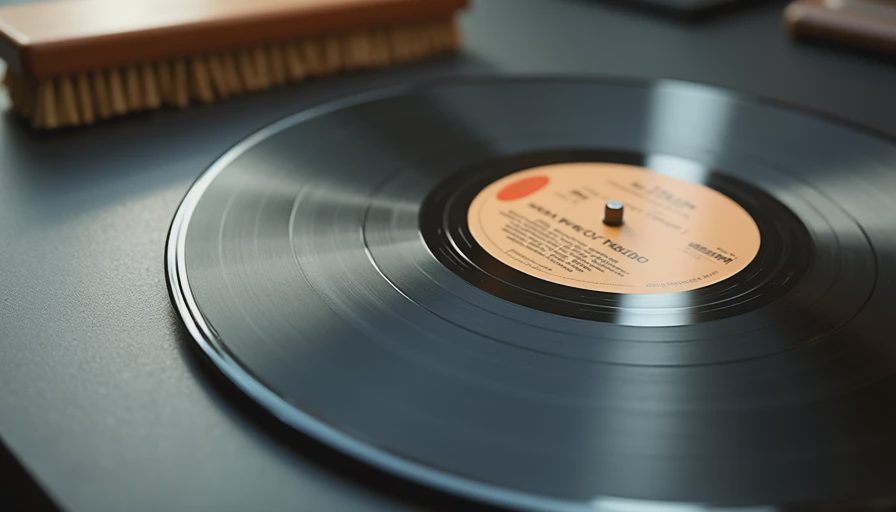
Notice the pattern. Most of these are early or original pressings, not the latest deluxe 180-gram editions. That isn’t nostalgia for its own sake. In many cases the first or early cuts were made from tapes that hadn’t yet been copied, EQ’d, or “improved” for a new market. Sometimes the later version is genuinely better—quieter, better centered, more consistent. When that happens I buy it. But when the original still has the tonal balance and dynamic life that later versions smoothed away, I stick with the original.
I also don’t chase the absolute quietest copy if the quieter one has been overplayed into a duller sound. A little surface noise on a pressing that still has life is preferable to a dead-silent record that has lost its edge.
How I Actually Use the List
These ten rotate through the system more than anything else. They’re the ones I use when I’m testing a new cartridge, checking alignment after a move, or simply deciding whether a pair of speakers is worth keeping around. If a system can’t make Aja or Kind of Blue sound engaging, the problem is rarely the record.
They’re also the records I put on when friends who claim they “don’t really listen to vinyl” come over. More often than not, the conversation shifts from skepticism to “wait, play that side again.”
Desert-island lists are personal by definition. Yours will be different, and it should be. The useful part isn’t the specific titles. It’s the habit of paying attention to which physical object actually delivers the music most completely in your room, on your system, with your ears.
Trust your ears. But measure first. And when it comes to vinyl, the measurement that matters most is which pressing you keep reaching for when no one else is watching.
No notes yet — write the first one.