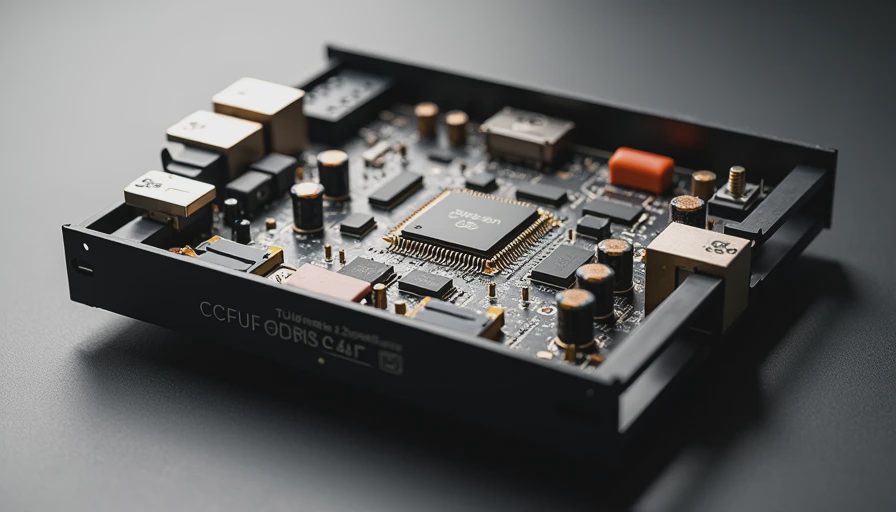
The Chip Obsession That Won’t Die
Every few months a new DAC chip drops and the internet loses its mind. ESS this, AKM that, “flagship” silicon, higher SINAD numbers, more bits, more DSD support. People start treating the chip like the entire product.
I’ve mixed records through converters that cost more than most people’s cars and through interfaces that cost less than a nice dinner. The chip inside was rarely the deciding factor in whether the thing sounded clean, neutral, and trustworthy.
DAC chips don’t matter nearly as much as the industry (and a lot of marketing) wants you to believe. Implementation does.
What a DAC Chip Actually Does
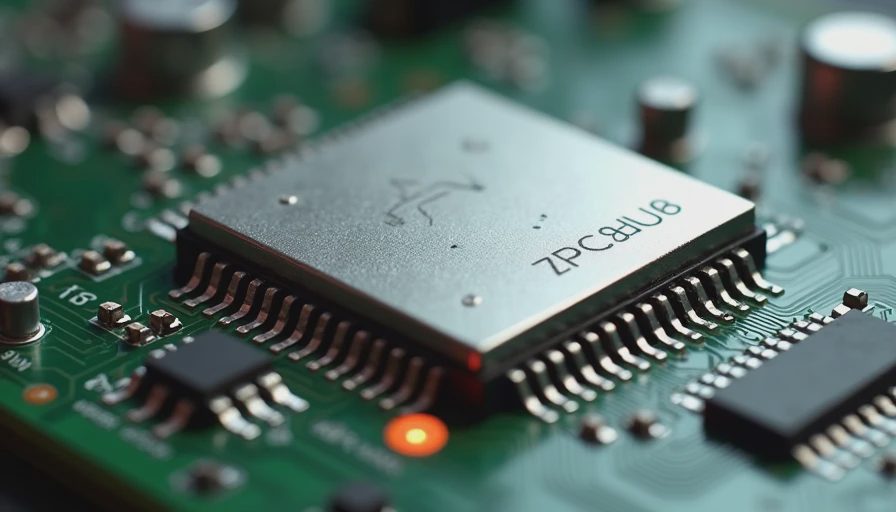
A digital-to-analog converter chip takes a stream of numbers and turns them into a small analog voltage. Modern chips from the major vendors do this with extremely low distortion and noise when they are given clean power, a decent clock, and a competent output stage.
Once the chip itself is past a certain competence threshold (and most chips used in products over about $100 cleared that threshold years ago), the differences between them become small. What you hear is dominated by everything around the chip:
Power supply design and isolation from digital noise
Clocking and jitter management
Analog output stage (op-amps, discrete circuits, filtering)
Layout, grounding, and shielding
The quality of the volume control (if there is one)
How the digital input is received and handled
Two products can use the exact same “flagship” chip and sound noticeably different because one company did the surrounding work carefully and the other did not.
Why Chip Worship Persists
It’s easy to market. A chip name is a simple story. “We use the ESS9038PRO” sounds more impressive than “we spent extra time on the power supply regulation and output stage layout.” Numbers are easy to put on a graph. Implementation details are harder to explain in a product listing.
Review culture hasn’t helped. Some sites treat SINAD leaderboards like a competitive sport. High SINAD is good. It is not the only thing that matters, and it does not automatically equal a better listening experience once you are past a certain point of transparency.
I’ve measured and listened to products with excellent chips that were let down by noisy power supplies or mediocre output stages. I’ve also used products with “older” or less glamorous chips that disappeared completely in a system because the implementation was solid.
What Actually Separates Good DACs From Merely Competent Ones
When I evaluate a DAC (or the DAC section of an interface or streamer), I care about:
Noise floor and actual dynamic range in real use. Not just the best-case number on a bench.
Tonal neutrality and lack of obvious coloration. The DAC should not have a personality.
Behavior with real digital sources. Does it handle different sample rates cleanly? Does the USB or optical input introduce problems?
Output stage quality. Can it drive the next device without strain? Are the line outputs clean and well-buffered?
Features that affect daily use. Good volume control, sensible filter options, stable drivers, useful inputs.
Notice that “which chip is inside” is not on the primary list. It can be a clue, but it is never the answer by itself.
The Interface Lesson, Again
This is why I keep telling people that a good audio interface is often already a great DAC. Many interfaces use competent chips and then surround them with the kind of practical engineering required for studio work: stable clocks, decent power, robust line outputs, and headphone amps that can actually drive something.
Meanwhile, some dedicated “audiophile” DACs put a fancy chip in a pretty box with a mediocre power supply and an output stage that looks better on a schematic than it performs in a real system.
Spending more money only helps if the extra money went into the parts that actually matter.
When the Chip Choice Starts to Matter a Little
There are edge cases. Extreme high-resolution formats, specific filter preferences, or very particular technical requirements can make one chip family more convenient than another. Some chips offer better hardware volume control or lower power consumption for portable use.
Even then, the surrounding design usually determines whether those advantages are realized. A great chip in a poor implementation will still sound ordinary. A merely good chip in an excellent implementation will often sound excellent.
How to Shop Without Getting Distracted
Look at consistent measurements from sources that test the whole product, not just the chip datasheet.
Read listening notes from people who level-match and listen longer than one track.
Prioritize products with good reputations for clean power, solid output stages, and reliable digital inputs.
Ignore marketing that leads with the chip name and says almost nothing about the rest of the design.
If you already own a transparent source (a decent interface, a clean streamer, a good motherboard implementation), be skeptical of claims that a new chip will transform your system.
The Bottom Line
The DAC chip is one component in a system. It is an important component, but it stopped being the primary bottleneck for most listeners a long time ago. What separates a transparent, enjoyable DAC from a merely adequate one is almost always the quality of the implementation around the silicon.
Stop shopping for chip names. Start shopping for well-executed products.
Trust your ears. But measure first.
And the next time someone tells you that you need the latest flagship DAC chip to hear your music properly, ask them what they did about the power supply.




No notes yet — write the first one.