A speaker amp is the part of your system that turns a low-level audio signal into enough electrical power to move a speaker driver. Pick the wrong one and you can get weak bass, harsh distortion, or a system that simply does not play loud enough. Pick sensibly, and a $300 setup can sound remarkably composed. After 12 years mixing records in Nashville studios, I have learned that amplifier shopping rewards basic electrical understanding far more than mystical cable lore.
What a speaker amp actually does
Your source might be a turntable, phone, streamer, CD player, or television. That source sends an audio signal, but usually not enough current to drive a passive speaker. The speaker amp supplies voltage and current, then hands that amplified signal to the woofer and tweeter. In a powered speaker, those amplifier channels are built into the cabinet. With passive speakers, you buy the amplifier separately.
The first question is whether you need a stereo integrated amplifier, a receiver, or a compact desktop model. An integrated amp combines a preamp and power amp, often with volume control and several inputs. A stereo receiver adds an AM/FM tuner, while a modern network receiver may also include streaming, HDMI, and room correction. A small desktop speaker amp typically works well with bookshelf speakers near a desk, but it may run out of current with larger floorstanders.
Ignore vague claims about “musical” power. Look for continuous or RMS power into a stated impedance, ideally with a distortion figure. A credible rating such as 50 watts per channel into 8 ohms tells you more than “concert-level performance.”
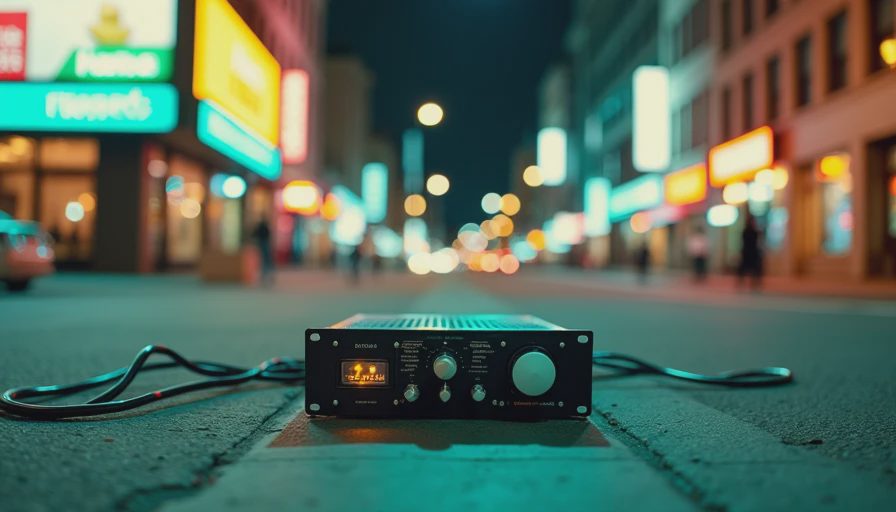
Watts, impedance, and volume in plain English
Wattage matters, but it is not a direct quality score. A reasonably efficient bookshelf speaker can reach satisfying levels with 30 to 50 clean watts in a typical living room. A large, insensitive speaker in a wide room might benefit from 100 watts or more. The listening distance, room size, speaker sensitivity, and music style all matter.
Impedance describes how difficult a speaker’s electrical load can be. Many speakers are labeled 8 ohms, though their impedance can dip lower at certain frequencies. When an amplifier says it is stable at 4 ohms, that usually indicates stronger current delivery than a basic 8-ohm-only design. Do not connect speakers below the amplifier’s rated load and assume the bigger volume knob will solve everything.
A useful example: a 40-watt amp paired with 90-decibel-sensitive speakers may play louder than a 100-watt unit paired with 84-decibel speakers. Every doubling of amplifier power adds roughly 3 decibels, so moving from 50 to 100 watts is noticeable but not transformational. Speaker placement and room reflections often produce a larger audible change.
My practical rule is simple: buy enough power for clean peaks, not for bragging rights. If the amp sounds strained, bass becomes loose, or treble turns gritty when you raise the volume, you are probably asking too much of the system.
Choosing the right speaker amp for your setup
For a basic living-room system, the Yamaha A-S301 is a sensible entry point because it offers conventional analog inputs, a subwoofer output, and useful tone controls without chasing luxury pricing. The Cambridge Audio AXA35 is another straightforward option for listeners who want a clean integrated design and modest bookshelf speakers. Neither is a miracle box, and that is precisely the appeal: both focus on doing normal amplifier tasks correctly.
If streaming is central, consider a model with built-in network functionality rather than adding several boxes later. The WiiM Amp combines streaming features with amplification in a compact chassis, making it attractive for apartments, offices, and secondary rooms. A Sonos Amp is convenient for people already invested in the Sonos ecosystem, though its price reflects the platform and installation flexibility as much as raw amplification.
For a desktop, a compact class D speaker amp from Fosi Audio, SMSL, or Aiyima can be perfectly competent with efficient bookshelf speakers. These brands offer strong value, but inspect the power supply and published measurements instead of trusting the largest number on the box. Some budget ratings describe short bursts at high distortion rather than comfortable continuous output.
Analog, digital, and useful features
A modern speaker amp can include Bluetooth, USB, optical input, HDMI ARC, a phono stage, and a subwoofer output. Choose features based on your actual sources. HDMI ARC is useful when the television is the center of the room. An optical input avoids analog noise from some TVs. A phono input is convenient for a turntable, but an external phono preamp can be a better upgrade if the built-in stage is noisy or limited.
Bluetooth is handy for casual listening, but Wi-Fi streaming generally offers better range and more reliable whole-home control. Bluetooth codecs vary, and the improvement from switching codecs is usually smaller than the improvement from moving speakers away from a wall. Do not pay hundreds extra for a feature you will never use.
Tone controls are not cheating. A bass knob can compensate for a thin recording or a small room, and treble adjustment can help if your speakers are aggressively bright. In studio work, I often aim for neutrality, but at home the best system is the one that makes you want to play another album.
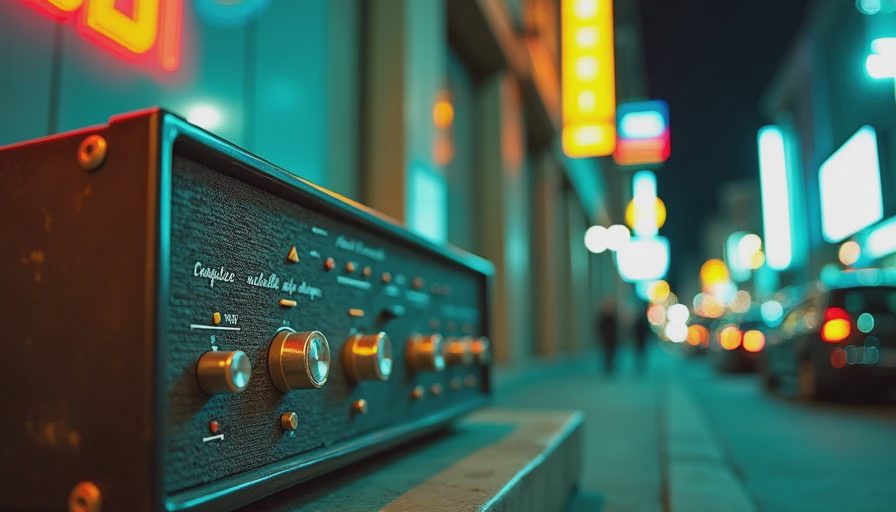
How to match and set up the system
Start by checking the speaker’s nominal impedance and sensitivity against the amplifier’s specifications. Leave ventilation space around the chassis, especially if it uses a class A or class A/B design that runs warm. Use ordinary, adequately thick speaker wire with secure connections; expensive cable will not repair a poor match.
Place bookshelf speakers on stands or a solid shelf, with tweeters close to ear level. Begin with the speakers slightly angled toward your listening position, then adjust by ear. Keep them several inches from the back wall unless the manufacturer recommends otherwise. If bass is boomy, moving the speakers forward can help more than changing amplifiers.
Add a subwoofer only after the main speakers are positioned properly. Connect it through the amp’s subwoofer output when available, set the crossover around the main speaker’s useful low-frequency range, and lower the subwoofer level before raising it gradually. The goal is fuller bass, not a separate rumble machine.
What to spend and what to skip
Around $150 to $250, compact class D models can power an efficient desktop or small-room system. At $300 to $600, you get more robust power supplies, better connectivity, and integrated amps from brands such as Yamaha, Onkyo, Denon, and Cambridge Audio. Between $700 and $1,200, network amplifiers and stronger current delivery become more common, but the gains depend heavily on your speakers and room.
Skip products that list enormous peak wattage without impedance, distortion, or test conditions. Also skip the idea that an amplifier must cost more than the speakers. A balanced $500 amp and $700 pair of speakers can make more sense than a $2,000 amp driving entry-level cabinets.
When comparing a speaker amp, use the same speakers, source, volume, and music. Listen for bass control, vocal clarity, hiss at idle, and distortion at realistic levels. Do not compare two products with one playing louder; louder almost always sounds more impressive for the first few minutes.
I disclose affiliate relationships clearly: some links on this blog earn a commission if you buy, at no extra cost to you. Review units are sometimes supplied by manufacturers, but no brand gets editorial approval in exchange for coverage. Trust your ears. But measure first.



No notes yet — write the first one.